Rula Online Therapy: How It Works, Insurance Coverage and Costs
 By Jack Dash
 Health & Personal Care
Finding a therapist shouldn’t feel like a second job. Yet many people spend hours checking provider directories, leaving messages, and asking if someone still accepts their insurance. Even then, the next appointment could be weeks away.
Rula aims to shorten that search. The mental healthcare platform matches people with licensed therapists and psychiatric providers based on their location, insurance plan, care needs, and preferences. Patients review provider profiles, choose an appointment time, and receive care online.
It sounds straightforward, but the practical details matter. How does Rula verify insurance? What services are available? And what could a session cost? Let’s take a closer look.
What Is Rula?

Rula is a mental healthcare platform that helps patients find licensed therapists and psychiatric providers. Its network supports:
- Individual therapy
- Couples therapy
- Family therapy
- Child and teen therapy
- Online psychiatry
- Medication management
Rula reports a network of more than 21,000 licensed providers representing over 100 clinical specialties. The company says its matching system suggests providers who are licensed in the patient’s state, accept the submitted insurance plan through Rula, and are accepting new patients.
Therapy is available to patients aged five and older across all 50 states and Washington, D.C. Rula’s psychiatry services serve eligible patients aged 13 and older. Provider availability still depends on the patient’s state, insurance, requested specialty, and schedule.
How Does Rula Work?

Rula organizes the search and booking process into four basic steps. It doesn’t remove every decision, but it puts many of the important details in one place.
Share Your Insurance and Care Preferences
The process begins with your ZIP code, insurance information, and basic care preferences. Rula uses these details to identify providers who fit the information you entered.
You may also be asked about your preferred appointment times and the main concerns you want to address. These details help narrow the results, though the platform does not diagnose you during the matching process.
Exact insurance information is important. An insurer may offer dozens of plans, each with its own network, deductible, referral rules, and cost-sharing structure.
Review Your Provider Matches
After you enter your information, Rula’s online therapy service presents profiles of matching providers. You can compare professional backgrounds, areas of focus, availability, and other profile details before booking.
Rula does not simply assign one therapist and ask you to proceed. Patients choose from the available matches. If the first provider does not feel like the right fit, Rula says it will help the patient switch to another provider in its network.
That flexibility matters. Credentials and clinical experience are essential, but communication style also shapes the therapy experience. Sometimes the first conversation feels comfortable. Sometimes it takes another try, and that is perfectly reasonable.
Select an Appointment
Once you find a provider, you can choose from their available appointment times. Rula advertises appointments by live video as soon as the following day.
Next-day care is not guaranteed. Timing depends on your location, insurance plan, requested specialty, provider availability, and personal schedule. Still, showing active appointment slots removes some of the guesswork that comes with calling individual offices.
Attend Your Session
Online appointments take place through live video. You will need a device with a camera and microphone, a reliable internet connection, and a quiet place where you feel comfortable speaking.
Virtual care removes travel time, but privacy still matters. Headphones, a closed room, or a white-noise machine outside the door could help if you live with other people.
Does Rula Accept Insurance?
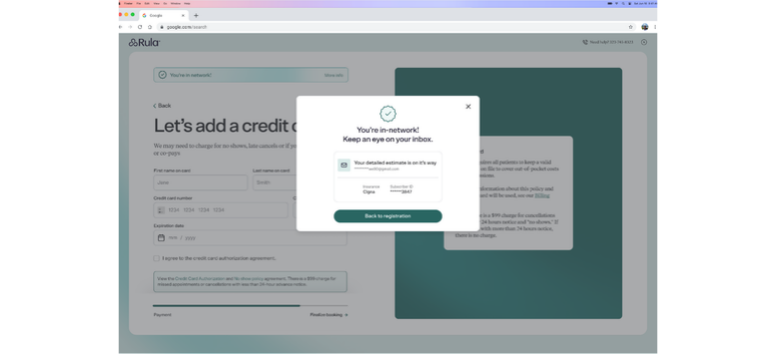
Insurance access is a major part of Rula’s service. The company says it works with more than 100 insurance plans, while some current Rula service pages advertise in-network access across more than 120 plans nationwide.
Participating carriers include plans associated with:
- Aetna
- Anthem
- Blue Cross and Blue Shield
- Cigna
- Kaiser Permanente in supported cases or with a referral
- Optum
- Oscar
- UnitedHealthcare
Rula also works with selected employer-sponsored plans, Employee Assistance Programs, Medicare plans, Medicare Advantage plans, and Medicaid programs. Coverage differs by state and plan.
Seeing your insurance company’s name on this list does not confirm coverage. A carrier may offer several plan networks, and only some may include Rula providers.
The safest approach is to use Rula’s insurance cost estimator with your exact plan information. The tool provides an estimated out-of-pocket cost for therapy or psychiatry and indicates if the submitted plan appears to be in-network.
Rula also verifies benefits during registration and sends an estimated cost before the first appointment. Existing patients can view the estimate under the Insurance section of the Rula patient portal.
Keep in mind that an insurance estimate is not a final price guarantee. The insurer makes the final decision after processing the claim. Deductible status, eligibility changes, service codes, and plan rules could change the amount owed.
How Much Does Rula Cost With Insurance?

According to Rula, insured patients pay an average of $15 per session. This is an average across eligible patients, not a flat price offered to everyone. Your cost could be lower or higher based on your plan.
Several insurance terms affect the final amount:
- Deductible: The amount you pay for covered care before the plan begins contributing under its rules.
- Copay: A fixed fee charged for a covered appointment.
- Coinsurance: A percentage of the approved service cost that you pay.
- Network: In-network providers generally cost less than out-of-network providers.
- Referral: Some plans require approval from a primary care provider or another authorized source.
- Prior authorization: Certain services require insurer approval before treatment begins.
All Marketplace health plans cover mental health and substance use disorder services as essential health benefits. This includes psychotherapy and counseling. The exact benefits, provider networks, visit rules, and patient costs vary by plan and state.
Federal parity rules generally prevent applicable plans from applying stricter financial requirements or treatment limits to covered mental health services than to comparable medical and surgical services. Parity does not require every therapist, platform, or treatment to be in-network.
Before your first Rula session, compare the platform’s estimate with the information provided by your insurer. The phone number on the back of your insurance card is usually the quickest place to begin.
Does Rula Charge a Membership Fee?

Rula says it does not charge a monthly membership or platform fee. Patients pay the out-of-pocket amount set by their insurance plan or the listed cash rate if they use self-pay.
This structure differs from therapy platforms that use weekly or monthly subscriptions. Still, an insurance claim could lead to a separate balance if the deductible applies or the insurer processes the service differently from the original estimate.
Rula Self-Pay Rates
People without insurance, those with an unsupported plan, or patients who choose not to use insurance can pay for care directly.
Rula currently lists these self-pay prices:
- Individual therapy: $150 per 60-minute session
- Couples or family therapy: $165 per 60-minute session
- Initial psychiatry appointment: $225 for a 60-minute intake
- Psychiatry follow-up: $175 for a 30-minute session
Eligible HSA and FSA funds can also be used for out-of-pocket costs. Patients can place an HSA or FSA card on file or submit a receipt to the account provider for possible reimbursement.
Patients with a PPO plan may have out-of-network benefits. In that situation, Rula may charge the cash rate and provide a receipt that the patient can submit to the insurer. Reimbursement depends on the plan and is not guaranteed.
Prices and policies change, so check the current Rula cost information before booking.
What Types of Care Does Rula Offer?
Rula’s network includes more than standard one-on-one therapy. This wider care range is useful for households with different mental health needs.
Individual Therapy

Individual therapy involves private sessions with a licensed mental health professional. Providers in Rula’s network work across many clinical areas, including anxiety, depression, trauma, grief, stress, relationship concerns, life transitions, and other behavioral health needs.
Each therapist has a different professional background and treatment style. Read the provider profile closely, especially if you want support for a specific condition or concern.
Couples Therapy

Couples therapy gives partners a structured setting to discuss communication, conflict, trust, intimacy, parenting, or major life changes.
Insurance coverage for couples therapy varies. Some plans cover it only when treatment relates to a covered mental health diagnosis. Others treat relationship counseling as a non-covered service. Confirm the benefit before scheduling, even if your plan covers individual therapy.
Family Therapy

Family therapy focuses on concerns affecting the household or family system. Sessions could address communication, recurring conflict, parenting concerns, major transitions, grief, or the effects of a mental health condition on family relationships.
Coverage rules for family therapy also vary by insurer.
Child and Teen Therapy

Rula says therapists in its network treat children, teens, and adults aged five and older. The provider search process considers the patient’s age and location when showing available matches.
Parents should review the therapist’s background, experience with the child’s age group, and approach to caregiver involvement before booking.
Psychiatry and Medication Management
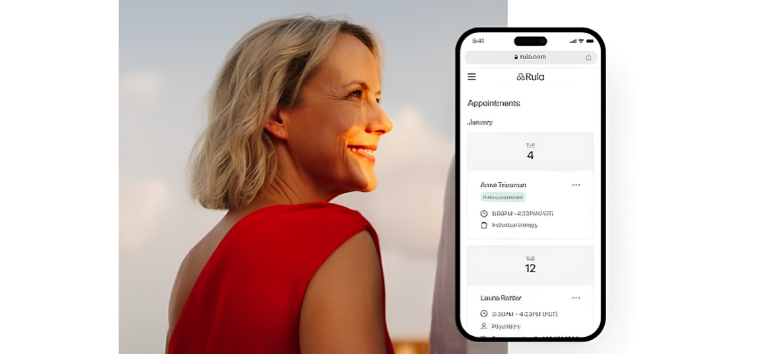
Rula’s online psychiatry service connects eligible patients aged 13 and older with licensed psychiatric providers.
The initial appointment usually lasts about one hour. During the visit, the provider discusses the patient’s medical history, symptoms, concerns, previous treatment, and goals. The provider then develops a treatment plan, which could include follow-up appointments, therapy, medication, referrals, or several forms of care.
A psychiatry appointment does not automatically result in a prescription.
Rula states that its psychiatric providers prescribe many FDA-approved psychiatric medications when clinically appropriate. Exceptions apply. Rula does not offer certain treatments, including ketamine, and some stimulant prescriptions are subject to additional state regulations.
Can Therapy and Psychiatry Be Managed Together?
Rula allows patients to manage therapy and psychiatry through the same platform. Billing information, appointments, and provider details are available through one patient account.
This setup could reduce administrative work for someone receiving both forms of care. Still, therapy and psychiatry serve different roles.
Therapists focus on psychological, emotional, and behavioral treatment. Psychiatric providers assess medical needs and prescribe medication when appropriate. Your providers should guide the treatment plan based on your symptoms, health history, and goals.
What Happens If You Travel to Another State?
A provider must be licensed or legally permitted to treat a patient in the state where that patient is located during the appointment. This rule also applies to telehealth.
If you move, travel, attend college in another state, or spend part of the year elsewhere, tell your provider before the next session. The provider’s license may not cover the temporary location. Federal telehealth guidance confirms that behavioral health professionals remain subject to state licensing and prescribing rules.
Is Rula a Good Fit for You?

Rula online therapy could suit people who:
- Want to use health insurance for mental healthcare
- Prefer online appointments
- Want to compare several provider profiles
- Need individual, couples, or family therapy
- Want access to therapy and psychiatry through one account
- Have had trouble finding providers accepting new patients
- Need a clearer estimate of costs before the first visit
Rula will not suit every care need. Online sessions require stable internet access, a video-capable device, and a private space. Some patients need in-person assessment, intensive outpatient treatment, residential care, or emergency services instead.
During the first session, the provider assesses the patient’s needs and decides if online care is an appropriate setting. A referral to another level of care could follow if virtual treatment is not suitable.
Questions to Ask Before Booking With Rula

A quick insurance check could prevent a billing headache later. Ask Rula or your insurer:
- Is my selected provider in-network with my exact plan?
- What is my copay or coinsurance for outpatient mental health care?
- Does my deductible apply to therapy or psychiatry?
- Is telehealth covered at the same rate as office visits?
- Do I need a referral or prior authorization?
- Does my plan cover couples or family therapy?
- Are there annual visit limits?
- What happens if the claim is denied?
- What is Rula’s cancellation or missed-appointment policy?
Save the representative’s name, the date of the call, and any confirmation number. It feels a little fussy, but those notes help if the final claim differs from the estimate.
Frequently Asked Questions About Rula
Can I choose my therapist on Rula?
Yes. Rula shows matching provider profiles based on your state, insurance, preferences, and available appointment times. You choose from the providers presented.
Can I switch therapists?
Rula says it helps patients switch to another provider in its network if the first match does not feel right.
How quickly can I get an appointment?
Rula advertises appointments as soon as the following day. Actual timing depends on insurance, location, specialty, schedule, and provider availability.
Does Rula guarantee its insurance estimate?
No. The estimate is based on the insurance information available during verification. The insurer determines the final patient responsibility after processing the claim.
Does Rula prescribe medication?
Licensed psychiatric providers in Rula’s network prescribe many psychiatric medications when clinically appropriate. State laws, federal rules, provider judgment, and medication-specific restrictions apply.
Can I use Rula without insurance?
Yes. Rula offers self-pay rates for individual therapy, couples or family therapy, and psychiatry.
Rula addresses one of the hardest parts of starting mental healthcare: finding an available provider who accepts your insurance. Its main features include insurance-based matching, provider profiles, online scheduling, cost estimates, therapy, and psychiatry in one platform.
Still, coverage depends on your exact plan, and Rula’s advertised average cost will not apply to every patient. Check the estimate, confirm your benefits with your insurer, and review each provider’s qualifications before scheduling.
Ready to explore your options? Visit Rula to check coverage and find a provider.
This article is for general informational purposes only. It is not medical, insurance, or financial advice. Insurance benefits, provider availability, pricing, and service options differ and may change. Confirm current details with Rula, your insurer, and a qualified healthcare professional.