PeopleFinders US: A Practical Guide to People Search and Background Information
 By Noah Roni
 Services
An unfamiliar number keeps calling. An old friend seems to have vanished online. Or perhaps you want to see what public information is connected to your name. Where do you begin?
PeopleFinders is a US-focused search service that organizes public-record and contact information into searchable reports. Instead of checking scattered directories one by one, you can search by a name, phone number, address or email address from one place.
It sounds simple, and often it is. Still, records can be old, incomplete or connected to the wrong person. This PeopleFinders US guide explains the main features, legal limits and details worth checking before you pay.
What Is PeopleFinders?

PeopleFinders is an online public-record search platform. It gathers information from available data sources and arranges possible matches in a readable format.
A search may help locate contact details, review address history, identify a possible phone owner or find public background information. Results vary by person and location.
Treat it as a research starting point, not a final verdict. A name in a database does not prove identity, intent or character.
People Search by Name
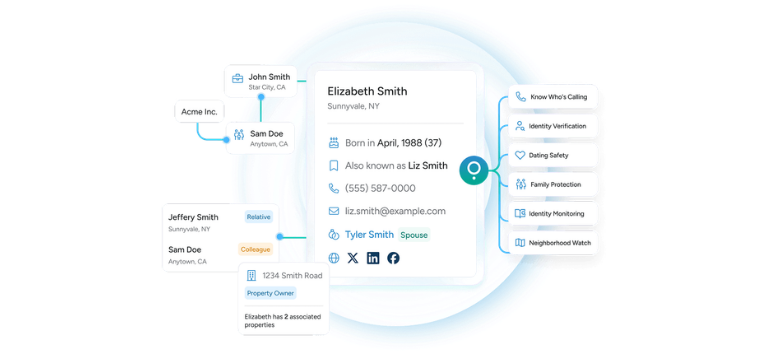
The standard people search is useful when you know a person's name but lack current contact information. Enter the full name, then add a city or state. Those details matter when the name is common.
Possible matches may show an age range, current or past locations, phone numbers and likely relatives. These clues help you separate the right person from several people with similar names.
Trying to reconnect with a former classmate? Compare the city, approximate age and known relatives before opening a full report. Several matching details are stronger than one.
Reverse Phone Lookup
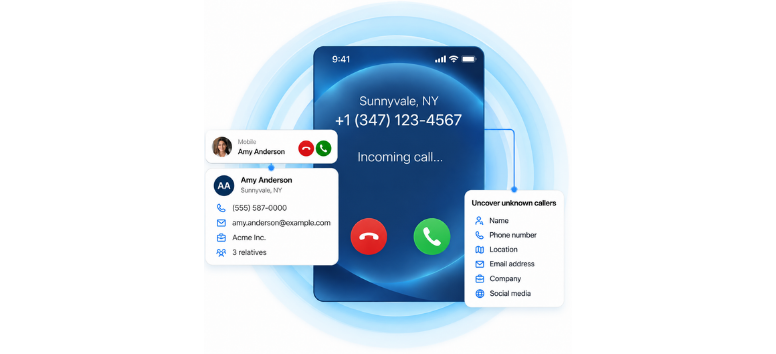
A reverse phone search may identify a possible owner, general location or related contact information. It can help when a caller leaves no message or an old contact has no name.
Use the result with care. Numbers are reassigned, accounts are shared and business lines may point to a company. A lookup cannot tell you why someone called or guarantee that the displayed owner placed the call.
Start at the PeopleFinders reverse phone lookup page. If a call feels threatening or looks like a scam, do not engage. Block the number and report serious concerns.
Reverse Address Lookup
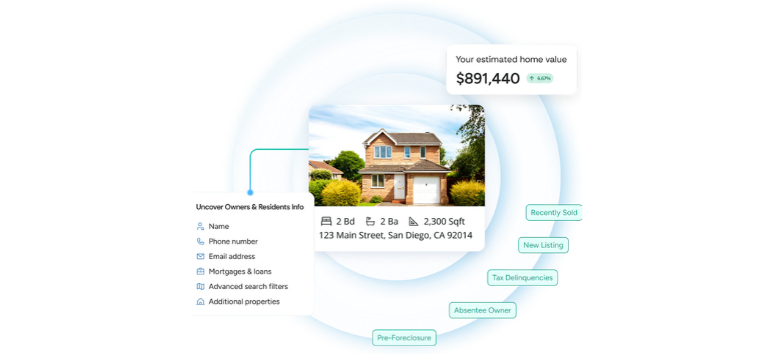
Have an address but no clear name? A reverse address search may show possible residents, ownership history, and available property information.
It can help with an address from an old letter, mailed correspondence, or research into your own property record.
Address records can lag behind real life. Renters move, property ownership changes, and mailing addresses do not always match a person's residence. Confirm important details through another reliable source.
Email Address Search
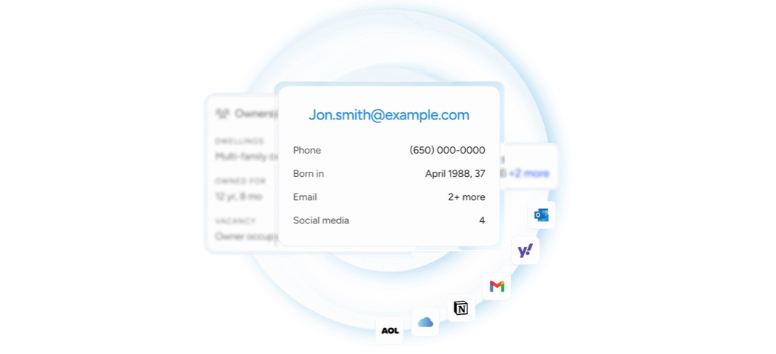
An email lookup may connect an address with a possible name or related online information. It can help with an unfamiliar message or an old email with no saved contact.
An email can be shared, abandoned, or compromised. Treat a match as a lead, not proof of who wrote a message.
Public Background Information
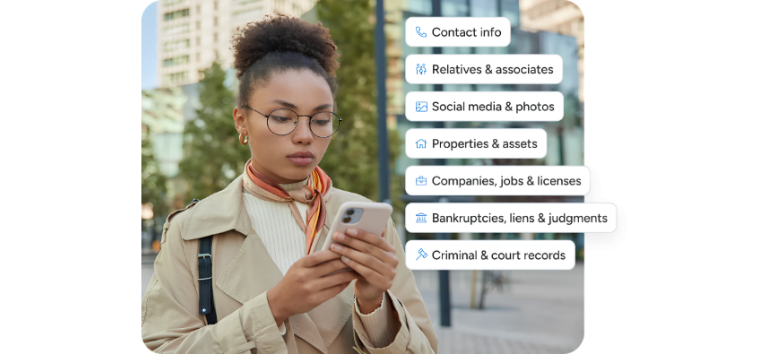
PeopleFinders reports may bring together several categories of public information. Depending on record availability and the report purchased, that could include:
- Current and previous contact details
- Address history
- Possible relatives or associates
- Property information
- Available court or criminal-record information
- Other public-record details tied to the search subject
“Background information” can sound more conclusive than it is. Databases may contain duplicate entries, delayed updates, or records for someone with a similar name. When accuracy matters, check the original court or government source.
Mobile Access
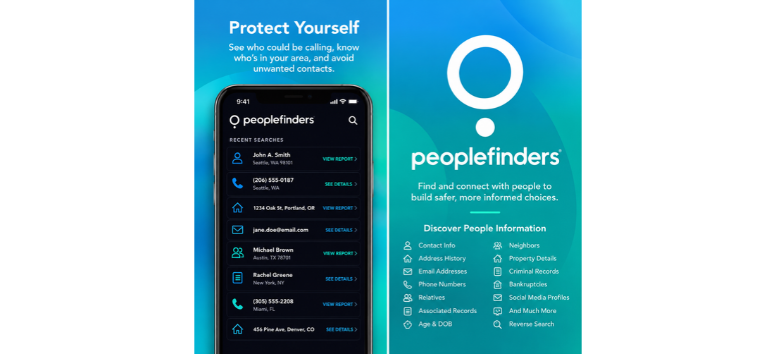
PeopleFinders also offers mobile apps for quick phone-number and address searches. The official listings are available through the Apple App Store and Google Play.
Before subscribing in an app, review its purchase terms, renewal details and device requirements. App and web offers may be presented differently.
How to Run a More Accurate Search
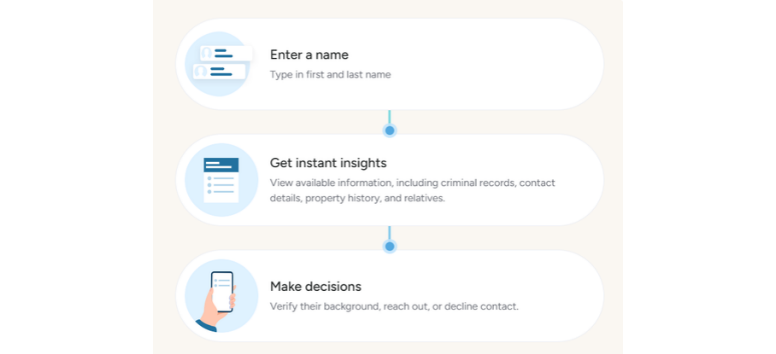
Careful input can save time. Use this approach:
- Choose the right search type. Start with a full name, phone number, address or email.
- Add a location. A city or state can narrow a common-name search considerably.
- Review the preview. Check age, locations and possible relatives.
- Match several clues. Do not rely on one address or initial.
- Narrow the list before paying. This reduces mistaken purchases.
- Verify important facts elsewhere. Check an original source when possible.
Try a former last name, nickname or middle initial if the first search misses. Enter only the information the form requires.
Useful and Responsible Reasons to Search
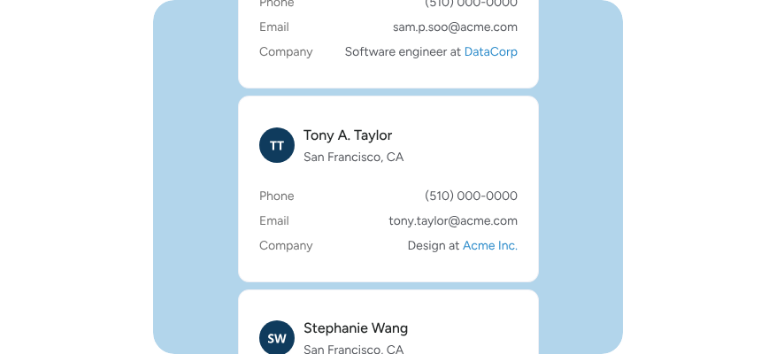
People-search tools can solve ordinary little mysteries. You might reconnect with a relative, update an address book, identify a caller or inspect your own public footprint.
Public availability does not erase a person's need for safety and privacy. Never use results to harass, threaten, stalk, impersonate or expose someone. Avoid publishing contact details without consent.
After a long gap, keep your first message brief and respectful. Give the person room not to respond.
The Important FCRA Limit
This is the section readers should not skip. PeopleFinders is not a consumer reporting agency under the Fair Credit Reporting Act, commonly called the FCRA. Its service cannot be used to decide someone's eligibility for employment, housing, credit, insurance or another purpose governed by that law.
In plain English, do not use a PeopleFinders report to screen a job applicant, choose a tenant or approve a loan. Those decisions require appropriate consumer-reporting procedures.
Review the site's permitted and prohibited uses and Terms of Service before searching. The Federal Trade Commission's FCRA information explains the broader federal rules. State and local laws may add further restrictions.
How Accurate Is PeopleFinders?
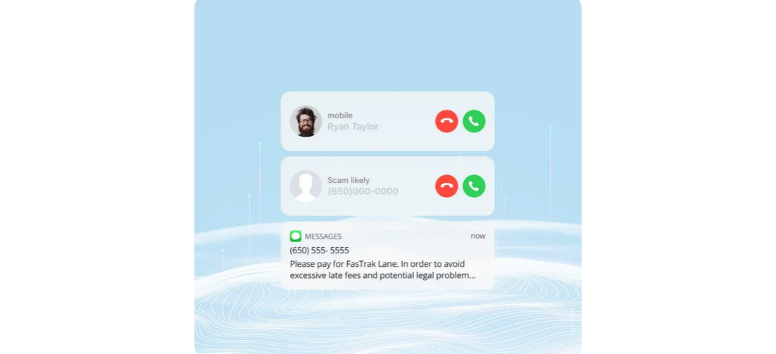
No public-record aggregator can promise every result is current. Offices update on different schedules, errors happen, and automated matching can connect records to the wrong person.
Watch for these common issues:
- An old phone number listed as current
- A previous address shown without a move date
- A relative or associate connected to the wrong household
- Duplicate records
- A court entry that does not show the final outcome
- Details belonging to someone with a similar name
Use a report as a collection of leads. For high-consequence questions, consult the original record holder or an authorized service.
Pricing and Membership Details
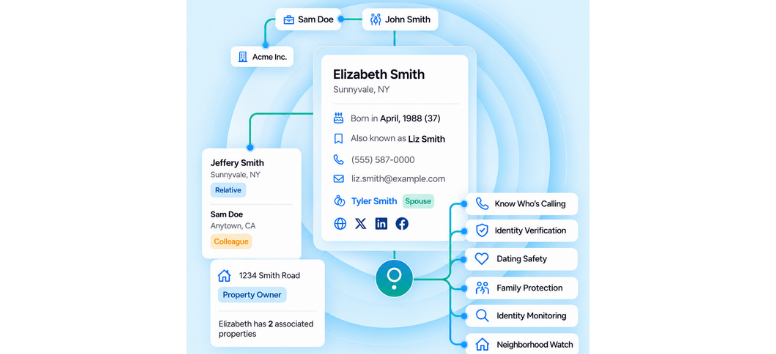
PeopleFinders may show a limited preview before asking you to pay. Check if the offer is a single report, trial or recurring membership.
Before paying, check the renewal schedule, cancellation method, included searches and limits. Save the confirmation. Offers change, so trust the live checkout page over an old review quoting a fixed price.
Privacy and Removing Your Information
Curious about your own footprint? Search your name, phone number and former addresses. To request removal, start at the PeopleFinders opt-out page.
Keep the confirmation. Removing a PeopleFinders listing does not erase the original record or copies on other sites. Recheck later.
For more context, read the PeopleFinders Privacy Policy and the FTC guide to people-search sites that sell personal information.
Frequently Asked Questions
Is PeopleFinders free?
You may see limited preview details for free. Fuller reports or continued searches may require payment. Read the current offer and renewal terms.
Can PeopleFinders identify an unknown caller?
A reverse lookup may show a possible owner. Results are not guaranteed because numbers can be reassigned, shared or masked.
Can I use PeopleFinders to screen an employee or tenant?
No. PeopleFinders is not a consumer reporting agency under the FCRA and cannot be used for employment, tenant, credit or other regulated eligibility decisions.
Can I remove my information?
PeopleFinders provides an online opt-out process. Removal applies to the listing on its service, not to the underlying public record or every other people-search website.
Does a result confirm that I found the right person?
No. Compare several identifiers and verify important facts through an original source. Common names and outdated records can cause mismatches.
PeopleFinders US can make a scattered public-record search easier to manage. Its search tools are useful when you need a starting point and understand the limits.
The smartest approach is simple: search carefully, match several details, verify anything important and respect the legal and personal boundaries around the information. A report can point you in the right direction. Good judgment still has to finish the job.