Lemonade Pet Insurance Review: Is It Worth It for Your Dog or Cat?
 By Gabi Thompson
 Services
Lemonade applies its digital insurance model to dogs and cats through quick online enrollment, customizable accident-and-illness coverage, and claims filed in its mobile app. The base policy helps reimburse eligible diagnostics, procedures, medications, and hospital care for new conditions, while optional packages address routine wellness needs.
Prices start at $10 per month, but breed, age, location, and selected limits shape the final quote. Review the coverage rules, waiting periods, out-of-pocket costs, and current availability before enrolling a pet or renewing.
Digital Coverage for Costly Vet Surprises

Lemonade Pet Insurance protects dogs and cats after eligible new accidents or illnesses. Policyholders pay a monthly or annual premium, visit any licensed veterinarian in the United States, settle the bill upfront, and request reimbursement through the Lemonade app.
Approved payments depend on three policy settings:
-
Annual limit: The maximum amount Lemonade pays for eligible claims during the policy year
-
Deductible: The amount the owner pays before reimbursement applies
-
Co-insurance: The percentage Lemonade reimburses after the deductible
Lemonade offers 70%, 80%, and 90% co-insurance options. Higher reimbursement usually raises the premium, while a larger deductible generally lowers it. The setup lets pet owners balance monthly cost against possible expenses after treatment.
Accident and Illness Coverage Built Around Major Care
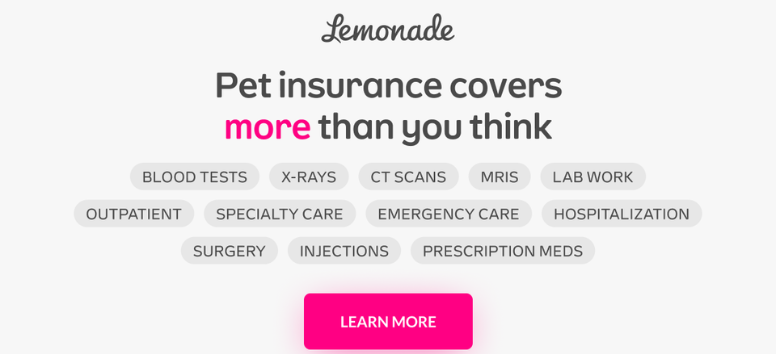
The base accident-and-illness policy focuses on unexpected veterinary treatment rather than routine care. Coverage applies to eligible new conditions that begin after the relevant waiting period and remain within the contract’s terms.
Covered services may include:
-
Blood tests, urinalysis, X-rays, MRIs, CT scans, and ultrasounds
-
Emergency, specialty, and outpatient procedures
-
Surgery and hospitalization
-
Injections and prescription medications
-
Treatment for eligible broken bones, infections, and infestations
-
Care for hereditary or chronic conditions that are not pre-existing
-
Eligible cancer diagnostics, treatment, and medication
The base plan does not automatically cover every charge on a veterinary invoice. Exam fees, physical therapy, dental illness, and other services may require separate add-ons. Coverage details also differ by state.
Compare the base plan with the pet’s breed risks, medical history, and likely treatment needs before adding optional protection.
Preventive Care for Routine Vet Visits

Lemonade separates routine wellness expenses from accident and illness insurance. Its Preventative Care packages reimburse specified services up to fixed limits and carry no deductible or standard waiting period. Eligible package benefits begin the day after purchase.
Depending on the selected package and location, coverage may include:
-
An annual wellness examination
-
Blood, parasite, or heartworm testing
-
Routine vaccines
-
Dental cleaning
-
Flea, tick, or heartworm prevention
-
Microchipping
-
Spaying or neutering for eligible puppies and kittens
Preventive packages do not provide unlimited reimbursement. Each service has an allowance, so owners should compare the annual package price with local veterinary charges.
Owners who already visit low-cost vaccine clinics may receive less value than households paying full prices at a private practice. Puppies and kittens may gain more from packages that include vaccines, microchipping, and spaying or neutering.
Total the pet’s expected routine expenses for the next year, then select a package only when its allowances justify the added premium.
Waiting Periods That Reward Early Enrollment

Lemonade applies a 14-day waiting period for illnesses and a 30-day waiting period for orthopedic conditions. Symptoms that appear before the relevant period ends may cause the related condition to be classified as pre-existing
Timing matters for breeds prone to hip, knee, breathing, or skin problems. Buying coverage after limping, coughing, recurring itching, or other symptoms appear will not erase the existing medical record. A veterinarian’s notes may affect eligibility even without a final diagnosis.
Canceling and purchasing a new policy later also creates risk. Waiting periods restart, and health issues recorded under the former policy may become pre-existing under the new contract.
Preventive care follows different timing rules. Eligible services under a selected wellness package generally become available the day after purchase.
Enroll while the dog or cat is healthy, then submit medical records early so future claims do not stall over missing history.
Pre-Existing Conditions and Medical Records

Lemonade generally excludes illnesses, injuries, and related symptoms that appear before the applicable waiting period ends. Medical records guide this decision, making accurate veterinary notes central to claim approval.
The company does not require medical records to start a policy, but it needs them before reimbursing claims. Lemonade asks for a history covering roughly the previous 12 months, plus the illness waiting period. Younger pets need records from birth through that period.
In many states, some temporary conditions may qualify for coverage later, provided the pet remains symptom-free and receives no treatment for at least 12 months. Chronic illnesses and knee or ligament problems do not fall under the same curable-condition rule.
Early enrollment carries real weight. A healthy puppy or kitten often reaches the policy with fewer documented health problems than an older animal with years of treatment history.
Request the pet’s records after enrollment, review every listed symptom, and ask Lemonade to clarify any condition that could affect future reimbursement.
Pricing That Changes With Every Pet
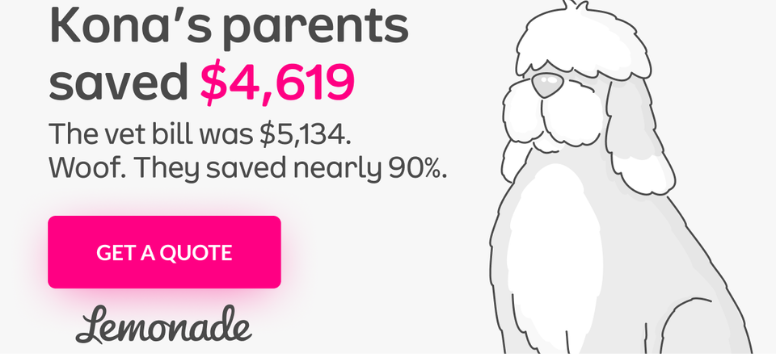
Lemonade Pet policies start at $10 per month. Lemonade reports that customers pay around $48 per month for dogs and $27 per month for cats, averaged across different breeds, ages, and locations. Individual quotes may land far above or below those figures.
Rates reflect factors such as:
-
Species, breed, and age
-
ZIP code and local veterinary costs
-
Annual reimbursement limit
-
Deductible
-
Co-insurance percentage
-
Preventive packages and add-ons
-
Available discounts
Premiums may increase at renewal as the pet ages or veterinary costs rise in the area. Lowering the annual limit or reimbursement percentage may reduce the monthly payment, but it also increases the owner’s financial exposure in the event of a major claim.
A cheap monthly premium may leave a large unpaid balance after surgery, hospitalization, or long-term treatment. Judge the policy by its complete cost structure rather than the advertised starting price.
App-Based Claims With Upfront Payment

Lemonade uses a reimbursement model. The pet owner pays the veterinary clinic first, opens the mobile app, selects File a Claim, and submits the invoice, the veterinarian's details, and the requested records. Approved funds go directly to the linked bank account after Lemonade applies the deductible and co-insurance.
Straightforward eligible claims may receive fast AI-supported processing, while more complex cases move to the claims team. Missing medical records, unclear invoices, pre-existing condition questions, or extensive treatment may extend review time.
Prepare each submission with:
-
An itemized veterinary invoice
-
Medical notes and test results
-
Prescription receipts
-
Proof of payment
-
A clear treatment timeline
Most policyholders have 180 days after treatment to file, while Texas generally allows 90 days. Still, an early submission reduces the risk of misplaced receipts and incomplete records.
Submit the claim soon after the visit, and keep copies of every document until reimbursement is credited to the account.
Flexible Vet Access Across the United States

Lemonade does not restrict pets to a provider network. Owners may seek eligible treatment from any veterinarian licensed in the state where care takes place. This flexibility supports established vet relationships and provides access to emergency or specialty clinics during travel.
An active policy may cover eligible treatment received elsewhere in the United States, including care in a state where Lemonade does not sell new policies. Treatment outside the country is not covered.
Lemonade currently offers pet insurance in 42 states and Washington, D.C. Availability, add-ons, policy wording, and pricing differ by location. Each dog or cat also needs a separate policy.
Owners moving to another state should update their address through the app. A move may change the premium or require cancellation when Lemonade does not operate in the new location.
Confirm the state's availability and the veterinarian’s license before relying on coverage for a planned procedure or an emergency visit.
Discounts for Multi-Pet and Lemonade Households

Lemonade lists three main ways to reduce the price of its base pet policy:
-
10% bundle discount for combining pet insurance with an eligible Lemonade policy
-
5% multi-pet discount for insuring more than one dog or cat
-
5% annual payment discount for paying the premium upfront
Discount rules vary by state, and savings may not apply to every preventive package or add-on. Each pet still receives an individual policy with its own deductible, annual limit, and claims history.
Bundling may simplify account management, but a lower combined price should not replace a full coverage comparison. Another pet insurer may offer stronger terms for a certain breed, age group, or medical risk.
Apply every eligible discount, then compare the final annual cost and policy terms with competing pet insurance quotes.
Strengths and Limits Behind the Fast Experience
Lemonade suits owners who prefer digital service, flexible settings, and access to any licensed US veterinarian. Its preventive packages also consolidate accident, illness, and selected wellness reimbursements into a single account.
Key Strengths
-
Fast online enrollment
-
Customizable deductibles, limits, and reimbursement percentages
-
Broad accident-and-illness coverage
-
Optional preventive care
-
No restricted veterinary network
-
App-based policy management and claims
-
Multi-pet, bundle, and annual payment discounts
Key Limitations
-
Vet bills require upfront payment
-
Pre-existing conditions generally remain excluded
-
Illness and orthopedic waiting periods apply
-
Routine care needs a separate package
-
Each pet requires an individual policy
-
Coverage applies only to dogs and cats
-
Prices and options vary by state
The policy works best for owners who maintain enough savings or available credit to pay the initial veterinary bill. Households seeking direct payment to clinics may prefer another insurer.
Choose Lemonade Pet Insurance for customizable accident-and-illness protection, optional preventive care, broad access to US vets, and a streamlined mobile experience. The policy fits healthy dogs and cats enrolled before symptoms appear, especially when owners can pay veterinary bills upfront. Waiting periods, exclusions, and reimbursement settings still shape its real value. Compare Lemonade’s quote with rival plans, review the sample policy, and select coverage that protects the pet without adding financial strain on the household budget over time.