Learn a New Language From Home With italki
 By Gabi Thompson
 Services
You can memorize hundreds of words and still hesitate when someone speaks to you. Real-time interaction gives you space to listen, respond, make mistakes, and hear how the language is actually used.
That’s the idea behind italki. Originally launched as a language exchange community, the platform now connects learners with thousands of teachers across more than 150 languages. You choose who to study with, when to meet, and which skills deserve the most attention.
What Is italki?
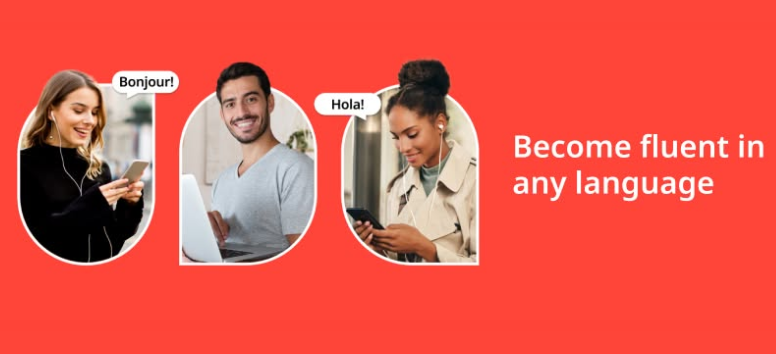
italki is an online language-learning platform centered on private tutoring. Instead of relying mainly on prerecorded lessons or automated exercises, you work directly with a teacher during live online sessions.
The platform lets you search for instructors based on language, interests, specialization, accent, and other preferences. Current lesson options include conversation, business language, grammar, creative writing, and exam preparation.
A class might concentrate on pronunciation one week and workplace vocabulary the next. The content depends on your level, priorities, and the instructor you select.
Browse italki teachers and see which teaching styles and languages fit the way you want to study.
More Than the Usual Language Choices
Popular Languages
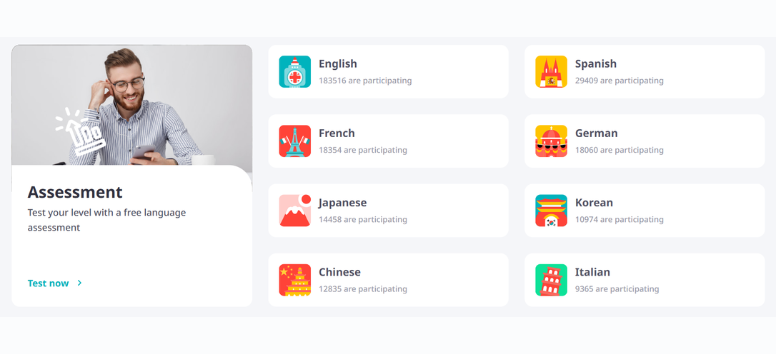
With more than 150 languages available, italki covers many of the options people study for work, travel, education, and personal interests.
Popular choices include:
-
English
-
Spanish
-
French
-
German
-
Italian
-
Portuguese
-
Japanese
-
Korean
-
Chinese (Mandarin)
-
Arabic
Less Common and Regional Languages

The selection also extends beyond major world languages. Depending on current teacher availability, learners may find instructors for languages such as:
-
Thai
-
Vietnamese
-
Turkish
-
Hebrew
-
Romanian
-
Swedish
-
Norwegian
-
Finnish
-
Hungarian
-
Ukrainian
This range is useful when nearby schools or private tutors don’t offer the language you want.
Reconnect With a Heritage Language
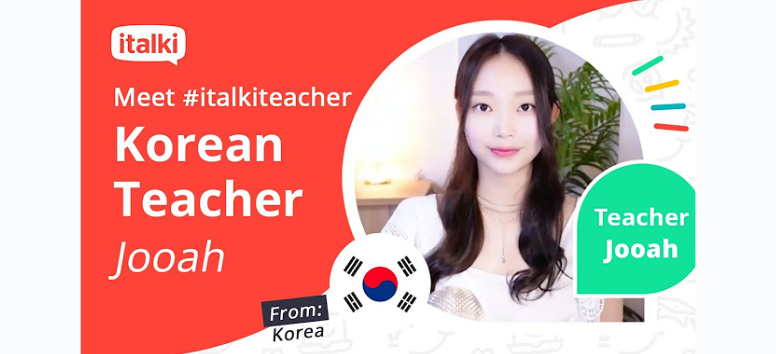
Some people arrive on italki with family exposure to a language rather than formal training. You may understand relatives but struggle to answer, recognize familiar expressions without knowing the grammar, or want stronger speaking skills before visiting family.
italki’s international teacher network gives heritage learners access to native and fluent speakers who can work on vocabulary, pronunciation, communication, and cultural context.
Study the Dialect You Actually Want
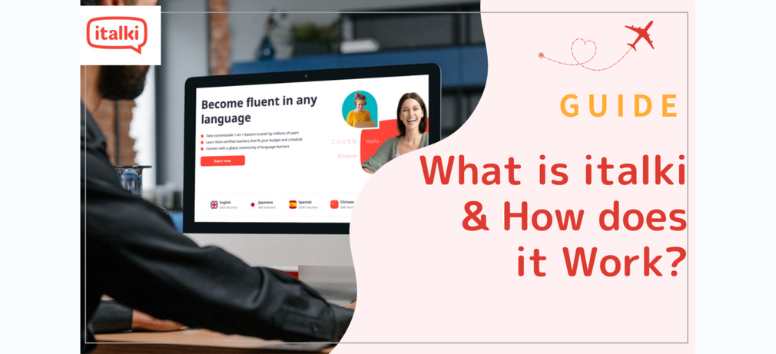
Spanish spoken in Mexico differs from Spanish in Spain, Argentina, or Colombia. English pronunciation and vocabulary also vary across the United States, United Kingdom, Canada, Australia, and other regions.
italki lets you search for teachers based on factors that include accent and background, which is useful when a particular regional variety matters to your plans.
Search for your target language on italki and connect with someone familiar with the region or dialect you want to understand.
How Does italki Work?
Start by creating an account and selecting the language you want to study. From there, browse teacher profiles and compare specialties, rates, schedules, and other details before deciding who you’d like to meet.
italki currently offers class durations of 30, 45, 60, or 90 minutes, giving you some control over how much time you want to dedicate to each booking. Online sessions can take place through italki Classroom or supported video platforms.
You’re also free to work with different instructors. One person might guide you through grammar while another spends more time on speaking or pronunciation.
Compare profiles, check availability, and schedule an italki session around the skill you want to work on next.
How Does italki Teach Languages?
Personalized Study Plans
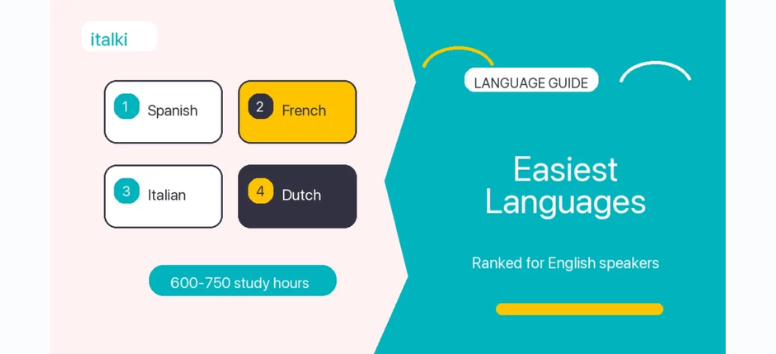
Professional Teachers may organize classes around your current ability, weak areas, pace, and learning priorities.
Study time may include:
-
Speaking
-
Grammar
-
Writing
-
Pronunciation
-
Reading
-
Listening
-
Exam preparation
-
Professional communication
Some instructors also use books, videos, cards, and other teaching resources during tutoring sessions.
Conversation-Based Learning
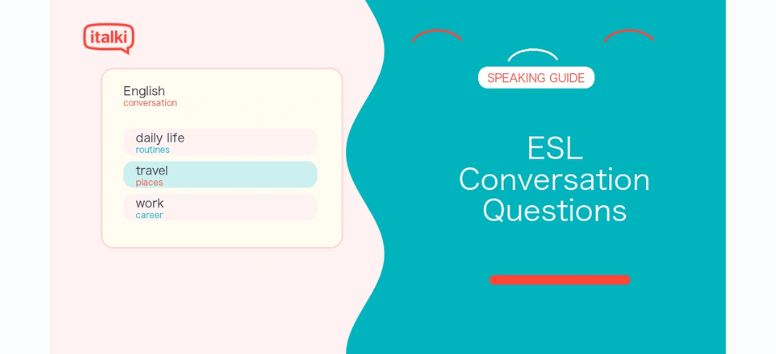
Speaking plays a major role in many italki sessions, especially for learners who know some vocabulary but rarely have a chance to use it.
Activities may include:
-
Everyday discussions
-
Travel situations
-
Role-playing
-
Workplace scenarios
-
Current events
-
Cultural topics
-
Personal interests
These exchanges let you respond naturally, ask follow-up questions, and notice missing vocabulary as the discussion happens.
Grammar and Traditional Instruction
If you prefer a more academic approach, many teachers also provide formal language instruction.
Topics may include:
-
Sentence structure
-
Verb conjugations
-
Tenses
-
Pronouns
-
Vocabulary
-
Reading comprehension
-
Writing
Private instruction gives you room to spend longer on a difficult concept instead of following the pace of a group class.
Exam Preparation
Exam preparation is one of the lesson priorities currently promoted on italki.
Individual teachers may offer support for exams such as:
-
IELTS
-
TOEFL
-
DELE
-
DELF
-
JLPT
-
HSK
The exact preparation method varies by instructor and may include speaking drills, writing tasks, sample questions, or feedback related to the exam format.
Business Language Training
Professionals can direct their study toward workplace communication instead of general textbook topics.
Common areas may include:
-
Professional vocabulary
-
Email writing
-
Presentations
-
Interviews
-
Negotiations
-
Client communication
-
Meetings
italki specifically lists business language among its available course priorities.
Learning Materials and Resources
Resources differ from one instructor to another. Some teachers use teaching materials such as books, videos, and cards, while others may provide their own exercises or recommend resources for independent study.
Possible materials include:
-
Digital worksheets
-
Grammar notes
-
Vocabulary lists
-
Reading passages
-
Homework
-
Writing exercises
-
Videos
-
Books
Check a teacher’s profile or discuss materials before booking if a resource-heavy approach matters to you.
Interactive Online Sessions
Live classes give the teacher and student time to work together in real time.
An instructor may use:
-
Screen sharing
-
Digital documents
-
Reading passages
-
Writing activities
-
Visual materials
-
Pronunciation exercises
Real-time interaction also lets you ask questions as soon as something is unclear.
Why Learn From Home With italki?

Work Around Your Schedule
Fixed classroom hours don’t suit every routine. Jobs, school, family responsibilities, and travel can make weekly in-person classes difficult to maintain.
italki lets you select a class duration and book according to available teacher schedules. Current options range from 30 to 90 minutes.
Hear Natural Language in Real Time
Textbooks are useful for grammar and vocabulary, but everyday speech also includes regional expressions, pronunciation patterns, and cultural references.
Talking with native and fluent speakers gives you direct exposure to the language during an actual exchange. italki also lets learners search for teachers according to factors such as specialization and accent.
Pay One Class at a Time
italki follows a pay-as-you-go model, so you don’t need to commit to a large course fee upfront. Teachers set their own prices, which means rates differ across instructors, languages, specialties, and class formats. Learners can pay per class, purchase credits, or select packages where available.
Compare rates, specialties, and teaching styles on italki to find an option that suits your budget and study plans.
Professional Teacher or Community Tutor?
italki has historically separated instructors into Professional Teachers and Community Tutors, with each category serving somewhat different learning needs.
Professional Teachers
Professional Teachers have demonstrated teaching qualifications, educational training, or significant teaching experience. They may suit learners looking for formal instruction, exam support, academic study, or a more organized curriculum.
Community Tutors
Community Tutors generally emphasize informal speaking and practical language use. They can suit learners who understand the basics and want additional time for listening, pronunciation, and everyday communication.
Neither option automatically suits everyone better. Your reason for studying should guide the decision.
Review italki profiles and select the instructor whose background and teaching approach match the support you’re looking for.
Learn With People From Around the World
One of italki’s strengths is its international teacher base. Its current app listing describes access to thousands of native teachers across more than 150 languages.
That reach adds context that dictionaries and grammar books may miss. A teacher may explain why a phrase sounds overly formal, which expressions people use locally, or how pronunciation differs across regions.
Who Is italki Best For?

Beginners
Build a foundation in vocabulary, pronunciation, grammar, and sentence structure with someone available to explain unfamiliar concepts.
Teachers on italki can tailor sessions according to levels ranging from A1 through C2.
Intermediate Learners
Put existing vocabulary and grammar to use through longer discussions.
At this stage, sessions might concentrate on listening, pronunciation, recurring errors, or speaking more regularly without returning to beginner material.
Advanced Learners
Use private instruction to refine specific areas.
Advanced students may work on nuanced vocabulary, specialized topics, pronunciation, writing, business communication, or exam preparation.
Business Professionals
Prepare for language demands that appear in international workplaces.
A teacher may cover presentations, interviews, negotiations, meetings, or professional communication related to your field. Business instruction is one of the learning priorities currently available through italki.
Travelers and Expats
Rehearse useful exchanges before arriving in another country.
Topics might include transportation, restaurants, shopping, accommodation, directions, and local expressions. Choosing a teacher from the region you plan to visit may also give you more exposure to its accent and everyday vocabulary.
Match your level and reason for studying with an italki teacher who understands the situations you’re preparing for.
Make Your italki Sessions Count

Set a Specific Objective
Tell your teacher exactly what you want to accomplish.
“Improve my Spanish” is broad. “Handle everyday conversations during a trip to Mexico” gives the instructor a clearer direction for your time together.
Study Regularly
Set a routine you can realistically maintain.
Review recent vocabulary, pronunciation, or grammar between classes instead of leaving all your study for the next booking.
Give Useful Feedback
Tell your instructor which activities work for you and where you’re still struggling.
Ask for more corrections if you prefer them. Request additional speaking time if that’s your priority. Direct feedback gives the teacher useful information for upcoming sessions.
Use the Language Between Meetings
Listen to podcasts, read articles, watch videos, or write short notes in your target language.
Bring questions from those activities into your next class so your independent study connects with the work you do with your teacher.
Book your next italki session with one clear objective, then reinforce the material between meetings.
Studying from home doesn’t mean working through a language alone. italki gives you access to thousands of teachers and more than 150 languages, with private classes covering conversation, grammar, business communication, creative writing, and exam preparation.
The platform lets you choose who you study with, how long your classes last, how much you spend, and which language skills you focus on.
Find a teacher on italki and put your next session toward the language skills you actually want to use.