How to Search Public Records and Vehicle History Online: A Guide to BeenVerified, PeopleLooker, and Bumper
 By Rubi Northon
 Services
An unknown number keeps calling. You've found an old email address but can't remember who used it. Or perhaps you're considering a used car and want to learn about its history before making an offer.
Where do you start looking?
Online public records search tools can help you find information that might otherwise take hours to gather. Instead of checking several websites and databases, you can explore available records through a single search platform.
Three options worth knowing are BeenVerified, PeopleLooker, and Bumper. Each serves a different research purpose, from finding contact information to reviewing a vehicle's reported history.
This guide explains what these platforms offer, how their features work, and what to check before trusting the results.
How Do Online Public Records Searches Work?
An online public records search gathers information from sources such as court records, property filings, government databases, and other available records.
Search platforms organize this information into reports based on the details you enter. For example, searching someone's name might return previous addresses or associated phone numbers. A vehicle identification number (VIN) search could reveal reported accidents, title information, or recalls.
However, records aren't always complete or current. Someone may have moved, changed phone numbers, or recently sold a vehicle. That's why search results should be treated as research leads rather than confirmed facts.
BeenVerified: Search People, Contact Details, Properties, and More
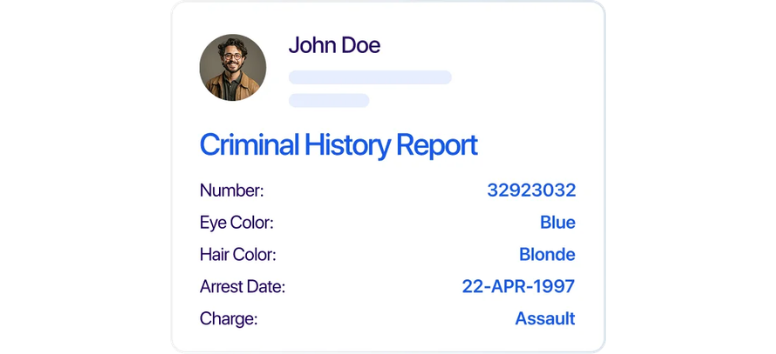
Have a name, phone number, or address but need more information?
BeenVerified is a public information search platform that brings several research tools together. Its available searches cover people, phone numbers, email addresses, properties, and vehicles.
This makes it useful when you have different pieces of information and aren't sure where to begin.
Find People Using Names and Locations
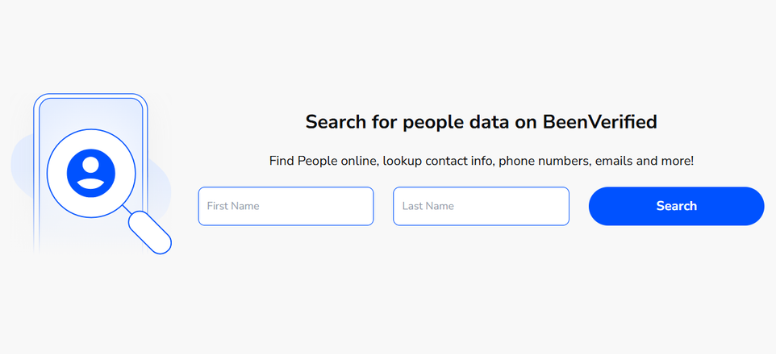
BeenVerified's people search allows users to enter a person's name and narrow results using available location details. Depending on the records found, reports may include current and previous addresses, associated phone numbers, possible relatives, and other public information.
Imagine trying to reconnect with someone you knew years ago. You remember their name and the city where they lived, but nothing else. A name search may reveal address history or possible relatives that help you identify the correct person.
For more accurate results, compare several details before drawing conclusions. Two people can share the same name, and older records may still be associated with someone who has moved.
Identify Unknown Numbers With Reverse Phone Lookup
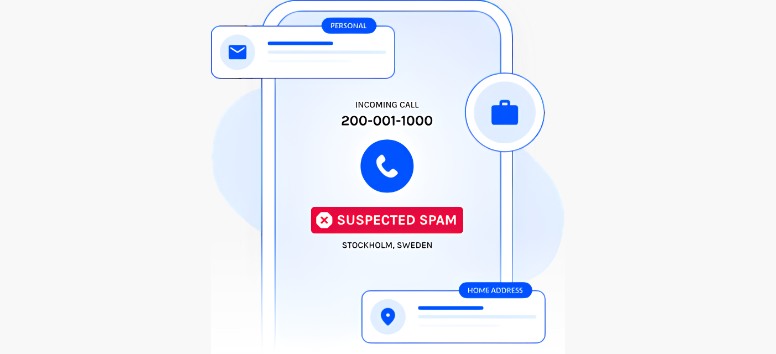
Repeated calls from an unfamiliar number can leave you wondering who's trying to reach you. BeenVerified's reverse phone lookup allows users to search a number instead of starting with a person's name.
Depending on the information available, results may include an associated name, general location, or other public records. This can be useful when researching missed calls, checking unfamiliar numbers in your call history, or reviewing an old contact list.
However, phone numbers can change hands, and scammers sometimes disguise their caller IDs. A matching result doesn't guarantee that the person listed is the one calling.
Research Email Addresses and Online Connections
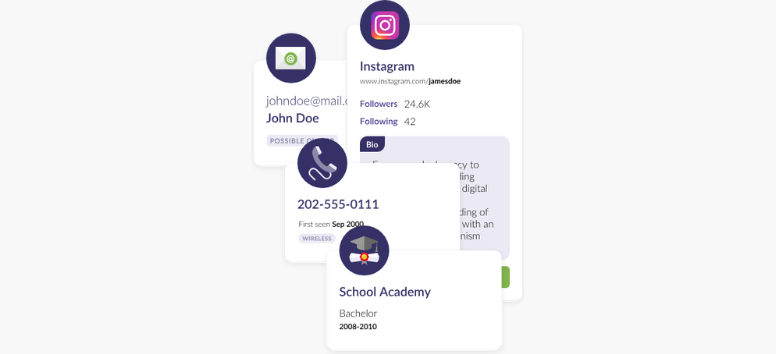
An unfamiliar email address can be difficult to investigate when the sender provides little identifying information. BeenVerified offers a reverse email lookup that searches for available records associated with an address.
Results may include related names, contact information, or references to online profiles. For example, if you find an old email address in your contacts, a search might help you recall the person associated with it.
Keep in mind that email addresses may be shared, abandoned, or used under different names. Search results cannot prove who currently controls an account or establish that a message is legitimate.
Explore Property Records and Address Information
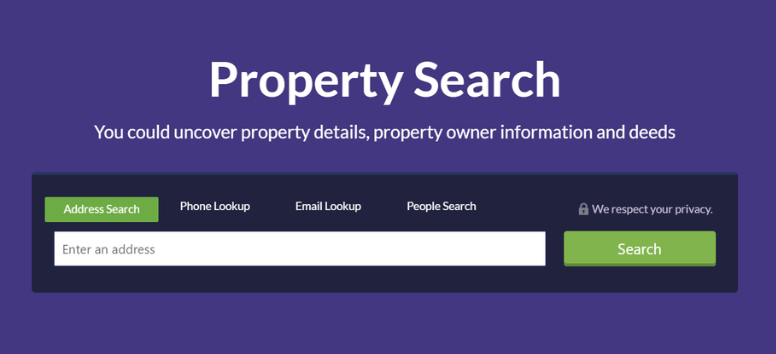
BeenVerified's property search tool allows users to research addresses and available property records. Depending on the location and data sources, reports may contain deed information, mortgage details, property characteristics, and estimated values.
This can be useful when researching a property's history or looking for information associated with an address. Someone reviewing an old family property, for instance, may find records that point them toward relevant documents.
Property information can change after sales, refinancing, or ownership transfers. For legal or financial matters, confirm important details through the county recorder, assessor, or another appropriate government office.
Check Available Vehicle Records
BeenVerified also supports vehicle searches, including VIN lookups. These searches may provide reported vehicle history, accident information, safety recalls, and estimated market values when records are available.
For someone considering a used vehicle, these details can highlight questions worth asking before arranging an inspection. Still, a vehicle report cannot document every repair or incident, so it should support other checks rather than replace them.
Have a name, number, or address you'd like to investigate? Explore BeenVerified's search tools and start with the details you already have.
PeopleLooker: Find Publicly Available People and Contact Information
Sometimes, you don't need a broad search covering several topics. You simply want to find more information related to a person or contact.
That's where PeopleLooker comes in.
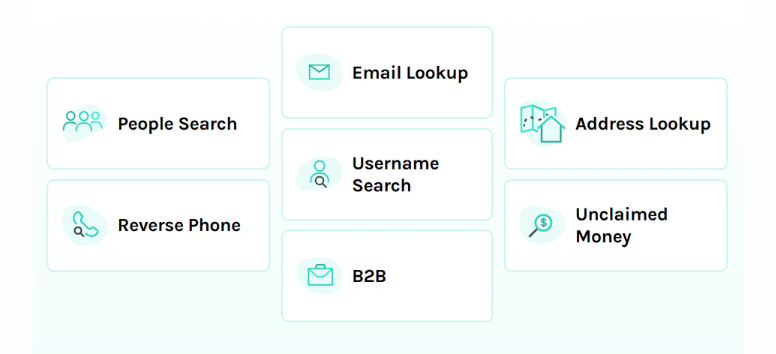
PeopleLooker focuses on people searches and associated public information. Its reports may contain names, addresses, phone numbers, email addresses, possible relatives, and available court records.
Search for Someone by Name
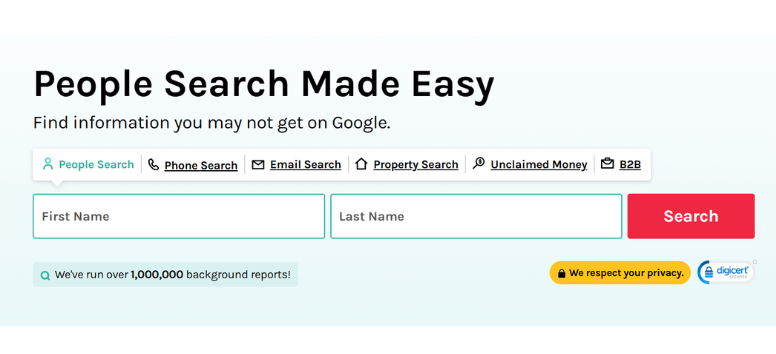
PeopleLooker's name-based search helps users explore publicly available records associated with an individual. Starting with a full name and a known city or state may help narrow the results, especially when several people share similar names.
Reports may show details such as address history, contact information, possible relatives, and other records linked to a matching identity. These details can be useful when trying to reconnect with former classmates, neighbors, or acquaintances.
A match is only a starting point, though. If several records appear, compare dates, locations, and other known details before assuming you've found the right person.
Look Up an Unfamiliar Phone Number
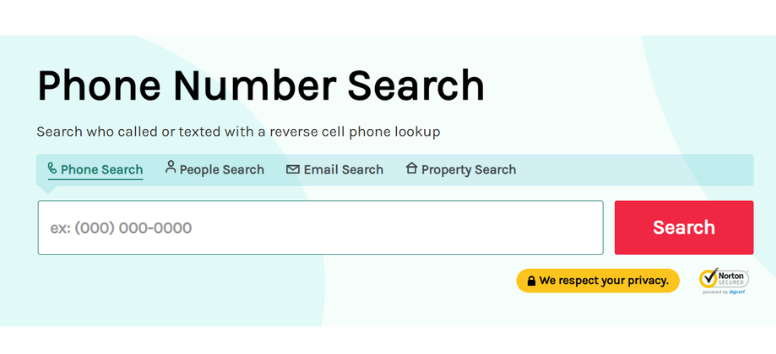
PeopleLooker also offers reverse phone searches for users who have a number but don't recognize the person associated with it. Depending on the available records, a lookup may return a possible name, location, or related contact information.
This feature can help when reviewing missed calls or sorting through saved numbers that no longer have names attached. It may also provide clues about a number you've found in an old email or document.
Phone records aren't always up to date, particularly when numbers have been reassigned. Treat the information as a possible lead rather than proof of the caller's identity.
Explore Email Addresses and Social Media References
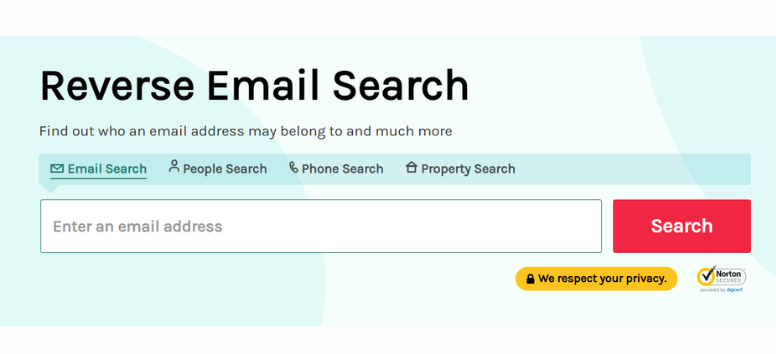
PeopleLooker's email lookup tool searches for available information associated with an email address. Depending on the records found, results may include related names, contact details, or references to social media profiles.
Suppose you find an email from several years ago but can't recall how you know the sender. Searching the address may help connect it to other information you recognize, such as a name or an online profile.
Social media references can provide additional context, but they aren't always current. Account names change, profiles disappear, and some addresses are shared by multiple users.
Research Addresses and Related Public Records
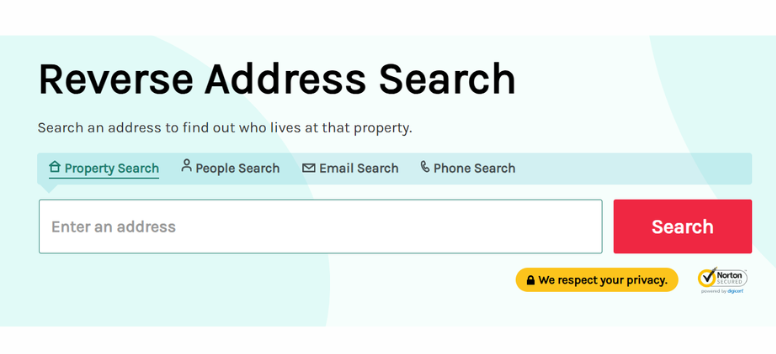
PeopleLooker also supports address-based research, allowing users to explore available information connected to a particular location. Results may include property-related details or records associated with people who have lived at an address.
This can be helpful when reviewing an old address book, researching a former residence, or trying to understand the history of a location. It can also point users toward public records they may want to examine through official sources.
Because address records often include historical information, someone listed in a report may no longer live there. Avoid treating an address match as confirmation of current residence.
Review Available Court and Public Records
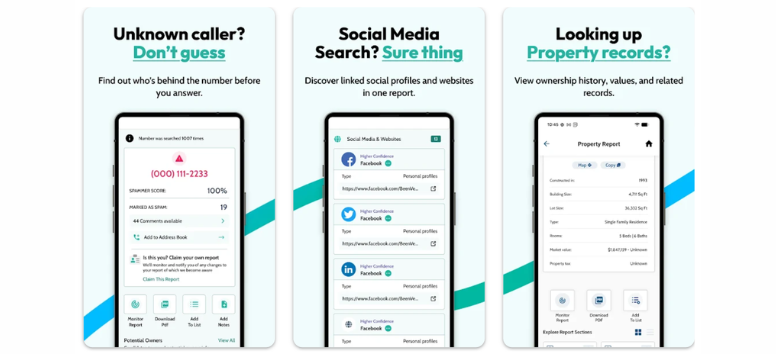
PeopleLooker reports may also contain court-related information and other public-record details, depending on the individual and the records available.
These findings require particular care. A name appearing in a court record does not establish wrongdoing, and a record may refer to someone else with a similar name. Important details should be checked against the original court record, including the case number, date, jurisdiction, and outcome.
Trying to reconnect with an old contact or investigate an unfamiliar number? Start your search with PeopleLooker and explore the available records.
Bumper: Check Vehicle History Before Buying or Selling
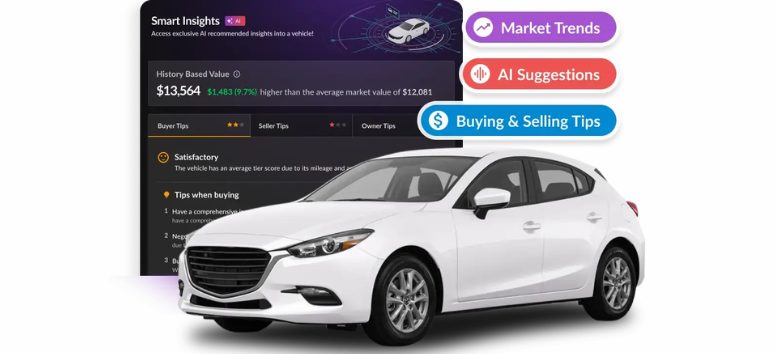
A used car might look spotless in photos, but its appearance doesn't tell you everything about its past.
Has it been involved in a reported accident? Does it have a salvage title? Are there outstanding safety recalls?
These are some of the questions Bumper is designed to help investigate.
Unlike the people-focused platforms above, Bumper specializes in vehicle research. It gathers available information from government records, insurance sources, and automotive industry databases.
Start With a VIN Search
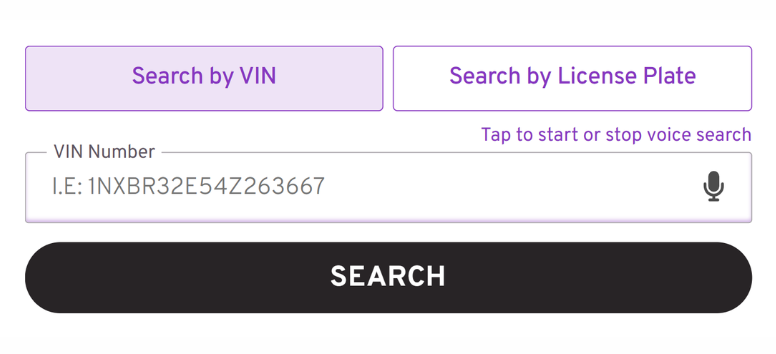
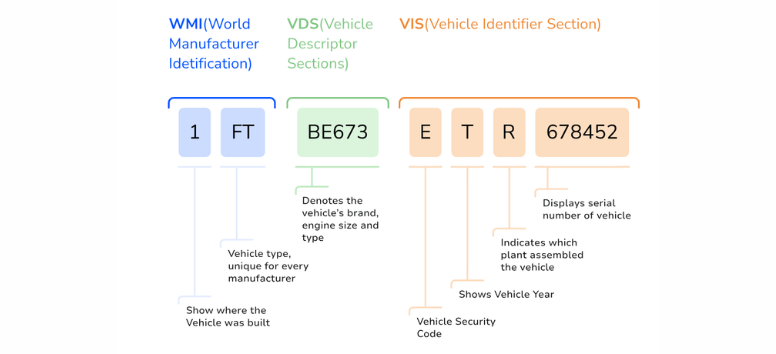
A vehicle identification number, or VIN, is a unique code assigned to a vehicle. For modern U.S. passenger vehicles, it generally contains 17 characters and can usually be found near the driver's side windshield, inside the driver's doorjamb, or on registration documents.
Entering this number through Bumper's VIN lookup may reveal available history information, including title records, reported accidents, salvage events, and other vehicle details.
A VIN search is particularly useful when comparing several used cars because it focuses on the specific vehicle rather than just its model. Buyers can review the report alongside the seller's description and ask questions about any significant findings.
Search Using a License Plate Number
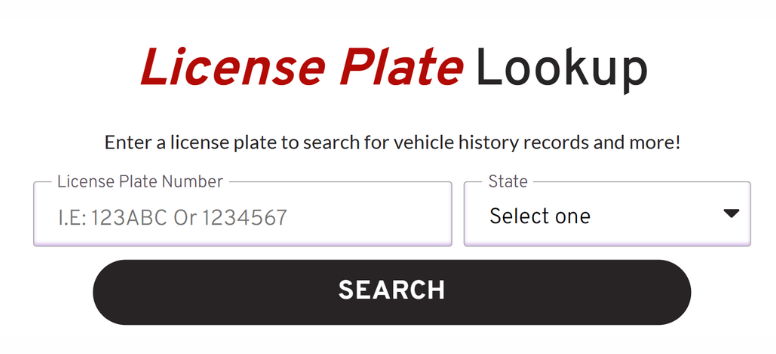
Don't have the VIN yet? Bumper also offers a license plate lookup that allows users to search using a plate number and state.
Depending on the available data, the search may return vehicle specifications and related history records. This provides another starting point when researching a car listed for sale.
However, license plates can be transferred or reassigned, so it's important to confirm that the results match the intended vehicle. Bumper also doesn't disclose private owner names and addresses from protected motor vehicle title records.
Investigate Reported Accidents and Damage
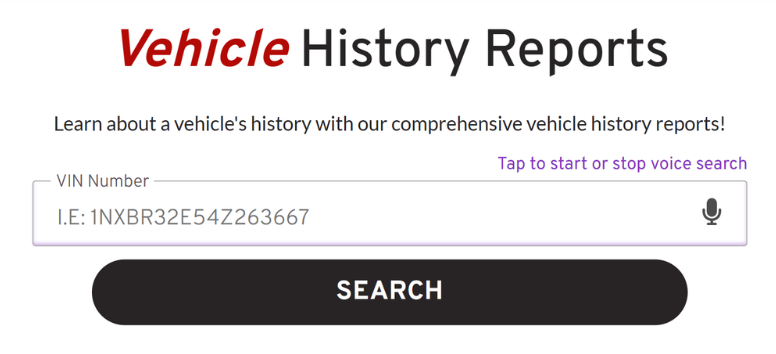
Accident history is one of the most important areas to review before purchasing a used car. Bumper gathers available accident-related information from participating government agencies, insurance records, and other sources.
These reports may highlight previous incidents that deserve a closer look. If a vehicle has a reported collision, for example, a buyer can ask the seller about repairs and request supporting documentation.
A clean accident report doesn't guarantee that a vehicle has never been damaged. Some accidents are never reported to insurers or agencies, while private repairs may leave no record in the databases searched.
Review Title, Salvage, and Theft Records
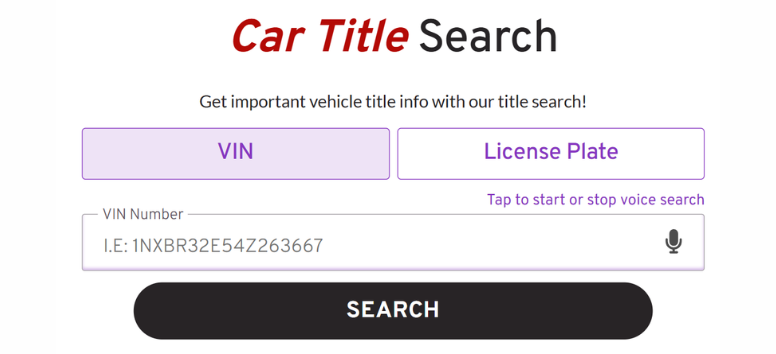
A vehicle's title history can reveal important details about its legal and reported condition. Bumper may show title brands such as salvage, rebuilt, or flood damage, based on available government and industry records.
These labels can alert buyers to vehicles that have experienced significant damage or undergone repairs after being declared a total loss. Understanding a title brand is important because its meaning and requirements can vary by state.
Bumper may also include reported theft information when available. Buyers should investigate unresolved theft records or title concerns through the appropriate authorities before proceeding with a purchase.
Examine Odometer Readings and Available Liens
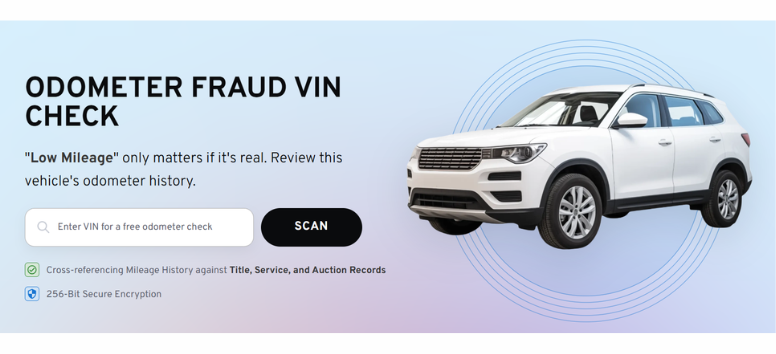
Mileage affects a used vehicle's value and gives buyers an idea of how extensively it has been driven. Bumper may display odometer readings recorded during reported events such as title transfers, inspections, or sales.
Comparing these readings with the dashboard mileage can help identify inconsistencies. For instance, a lower current reading than a previously reported figure deserves further investigation, although recording errors are also possible.
Available lien records may provide additional information about financial claims associated with a vehicle. Before buying, purchasers should confirm that the seller can transfer clear title and that any outstanding lien has been properly addressed.
Check Safety Recalls and Estimated Market Values
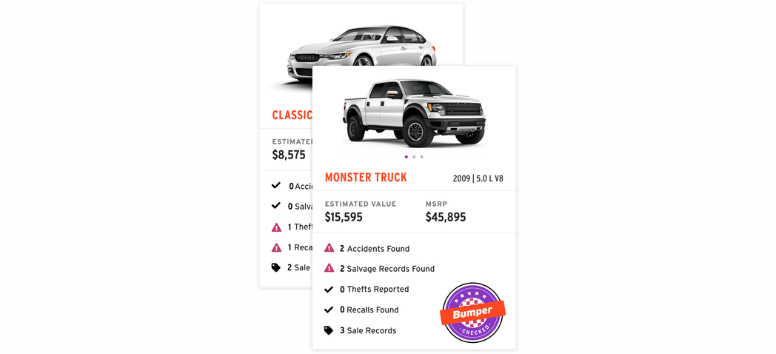
Bumper also provides available recall information and estimated vehicle values. Recall data may help users identify safety issues associated with a particular make, model, or VIN.
For an official check, buyers can also use the National Highway Traffic Safety Administration's recall database, which provides information about unrepaired safety recalls. This is especially useful before purchasing a used car or planning major repairs.
Bumper's estimated market values offer another reference when comparing asking prices. Actual selling prices still depend on factors such as mileage, vehicle condition, location, and local demand.
Found a used car that looks promising? Explore its reported history with Bumper before making your next move.
How to Get More Reliable Results From Online Searches
Finding information is one thing. Interpreting it correctly is another.
Start with accurate details and compare more than one identifying record. A name alone may return several matches, while a VIN usually provides a more specific vehicle search.
Pay close attention to dates, too. Older records may no longer reflect someone's contact details or a vehicle's current status.
Most importantly, verify significant findings through official government records, original documents, or other reliable sources. Respect privacy and avoid using personal information for harassment, unauthorized monitoring, or prohibited screening decisions.
What Online Public Records and Vehicle Reports Cannot Confirm
Online reports can be useful, but they have clear limits.
A people-search result cannot establish that someone is honest, safe, or trustworthy. Records may be incomplete, outdated, or matched to the wrong individual.
Likewise, a vehicle report cannot guarantee that every accident, repair, or ownership event has been documented. A physical inspection and review of original documents remain important.
There's also an important legal restriction.
BeenVerified, PeopleLooker, and Bumper state that they are not consumer reporting agencies under the U.S. Fair Credit Reporting Act (FCRA).
Their reports must not be used to determine eligibility for employment, housing, credit, insurance, educational admission, or other FCRA-regulated purposes. Those decisions require an appropriate, legally compliant process.
Finding public information online doesn't have to mean searching through countless unrelated websites.
BeenVerified provides several search options for people, contact details, properties, and vehicles. PeopleLooker concentrates on people and contact research, while Bumper focuses on vehicle history information.
The right platform depends on the details you already have and the question you're trying to answer.
Remember that an online report is a starting point, not a final answer. Cross-check important findings, consider the source, and verify the information before acting on it.
Ready to explore? Search public information with BeenVerified, look up contact details with PeopleLooker, or research a vehicle through Bumper.