How the Carvana 7-Day Money-Back Guarantee Actually Works
 By Noah Roni
 Automotive
The first drive answers one question: do you like the car? The next few days answer a harder one: does it fit your life?
An easy-to-park sedan still needs room for your usual passengers. An SUV’s cargo capacity means little if loading your stroller is a daily struggle. Details like these deserve attention before you settle into years of ownership.
Carvana’s 7-Day Money-Back Guarantee provides a defined return period after delivery or pickup, subject to its terms. You get time to try the vehicle in familiar settings and decide to keep it, return it, or request an exchange. The policy also sets rules for mileage, condition, fees, and deadlines. Here’s how to use the window without overlooking those details.
Step 1: Check the Car When It Arrives

Your delivery or pickup date counts as Day 1. If it arrives on a Monday, Sunday is Day 7. If you receive the car late in the day, the start date doesn't move to Tuesday.
At the appointment, Carvana provides time to inspect the vehicle and take a short test spin. Michigan buyers must sign all documents before driving.
Start with the listing. Compare the car in front of you with its photos, equipment descriptions, and disclosed imperfections. Check the paint, glass, wheels, tires, seats, and cargo area. Photograph anything that differs from the advertised condition and raise it with the Advocate at the appointment.
Inside, test the windows, locks, air conditioning, seat adjustments, cameras, and infotainment controls. Confirm that the vehicle identification number, or VIN, matches the purchase documents.
Save the listing and your delivery photos together. A dated record is more useful than trying to recall the size of a scratch several days later.
Step 2: Put Your Daily Routine to the Test

Choose routes you actually drive. The goal is to judge the car on your commute and errands, not to plan a special road trip.
Pay attention to four areas:
-
Comfort: Check seat support, driving position, and cabin noise over a normal journey.
-
Road behavior: Notice braking response, steering, acceleration, and gear changes.
-
Practical space: Try your usual passengers, child seats, groceries, or work equipment.
-
Everyday controls: Connect your phone and test the functions you use most.
Cargo shape deserves as much attention as the published volume. Check the load floor height, the opening width, and the effort needed to fold the rear seats. In tight parking spaces, assess visibility from the driver’s seat rather than relying only on the camera image.
Write down specific concerns once you’re parked. Describe the sound, when it occurs, and the driving conditions. If braking or steering raises a safety concern, stop driving and contact Carvana.
Step 3: Book an Independent Inspection Early
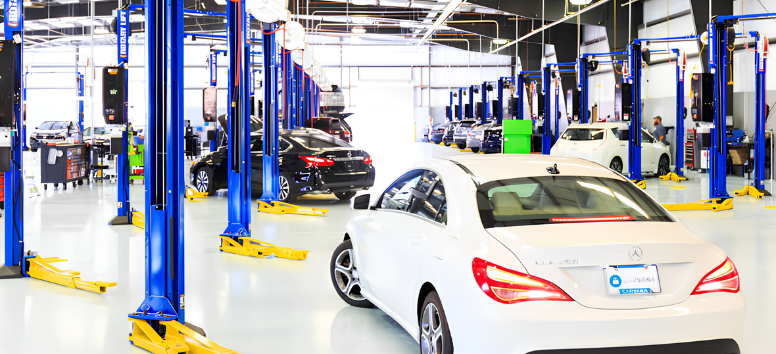
Carvana allows a trusted mechanic to inspect the vehicle during the return period. The Federal Trade Commission also recommends an independent mechanical inspection for used cars, including vehicles already inspected or certified by a dealer.
Ask the shop for a thorough used-car inspection and explain your return deadline. The review should cover the engine, transmission, brakes, tires, steering, suspension, fluid leaks, battery condition, and signs of previous repairs. Ask for a diagnostic scan as part of the assessment.
Request a written report with repair estimates, not just a verbal verdict. The FTC recommends including the vehicle’s make, model, and VIN in that report.
Then separate two questions: what needs attention now, and what maintenance lies ahead? Even a car with no immediate faults still needs a realistic upkeep budget.
Arrange the appointment near the start of the return period. You’ll need time to read the findings, ask follow-up questions, and decide how to proceed.
Step 4: Understand the 400-Mile Allowance
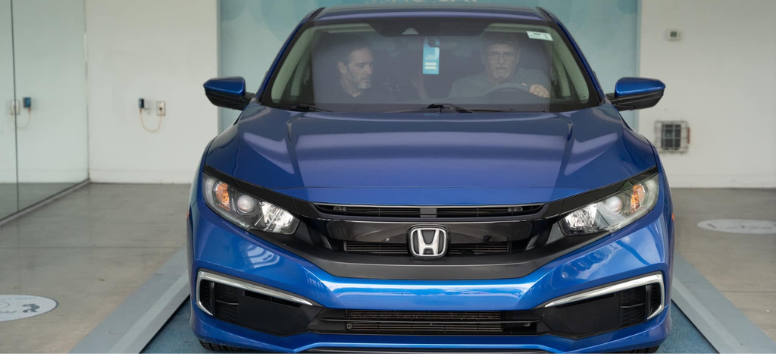
The return program includes a 400-mile driving allowance. If you return the vehicle after driving more than that, Carvana charges $1 for each additional mile. Passing 400 miles does not, by itself, disqualify the car from return.
For example, returning a car after driving 425 miles adds a $25 mileage charge. At 500 miles, the charge is $100.
Record the odometer reading at handover and track the distance you add. Include the trip to the mechanic when planning your driving. A long commute uses the allowance faster than a few local errands.
The allowance belongs to the return policy. It is not an ongoing mileage cap on a car you keep.
Step 5: Preserve the Vehicle’s Return Eligibility
Carvana excludes vehicles from return or exchange after accident damage, other damage, modifications, or alterations from their delivered condition. Its policy also restricts liens and other encumbrances, except for the retail installment contract signed with Carvana.
Leave window tint, aftermarket wheels, permanent decals, and other changes until after your decision. If the inspection identifies a repair, contact Carvana before authorizing work.
Insurance remains important during the handback process. Coverage must stay active through the date Carvana picks up the returned vehicle, not merely the date you request a return.
Step 6: Contact Carvana Before the Deadline
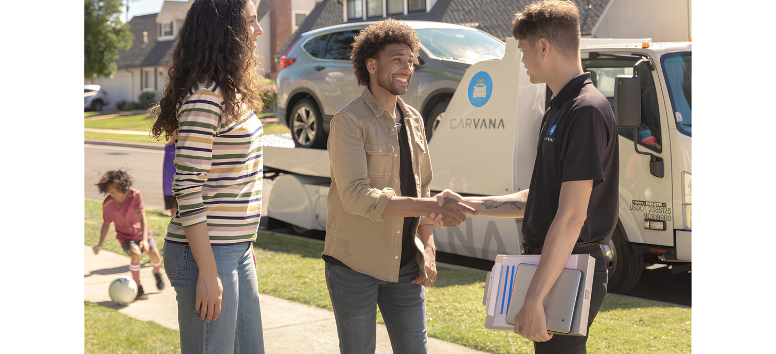
If the vehicle suits your needs, no return request is necessary. If you decide to return or exchange it, contact a Carvana Advocate by phone or chat within the return period. The collection appointment can take place later.
One deadline detail needs special attention. Carvana’s Help Center lists a cutoff before 8 p.m. EST on Day 7, but a separate official return-policy page lists 5 p.m. EST. Confirm the deadline for your purchase with an Advocate and request written confirmation. Contact Carvana well before the earlier published cutoff.
Keep the conversation record and ask for confirmation that your return or exchange request has been recorded. A scheduled inspection or an unanswered repair question is not a substitute for submitting that request.
What Happens to Your Refund?
A qualifying return includes a refund of the amount paid, excluding nonrefundable shipping charges and applicable mileage deductions. Review the refund breakdown with Carvana so you know which amounts to expect.
Shipping and delivery are different charges:
-
Shipping covers transporting the vehicle to your local area. This charge is nonrefundable.
-
Delivery covers the final trip from a local Carvana location to your home. Delivery charges are refundable under the guarantee.
Refund processing follows the completed return. Carvana estimates a bank-posting period of 10 to 15 business days, depending on your bank. Treat that as an estimate, not a guaranteed arrival date.
A trade-in also deserves attention. Returning the purchased car does not bring your previous car back: Carvana keeps the trade-in and treats it as a sale at the agreed purchase price. Ask how the trade-in value and any loan payoff will appear in your settlement.
How Many Exchanges Are Allowed?
The program allows two exchanges, for a maximum of three vehicles. The first and second vehicles receive the seven-day guarantee. The third does not carry another return period once you accept it at the appointment.
Speak with an Advocate to arrange the exchange before placing another order. Review the replacement’s price, payment terms, and transportation charges instead of assuming the first order’s figures carry over.
Use your experience with the original car to narrow the next choice. If rear-seat access was awkward, compare door openings and seat layouts. If the driving position was uncomfortable, prioritize cabin fit over another attractive equipment package.
Where the Limited Warranty Fits In

The return policy addresses the decision to keep the car. The limited warranty addresses qualifying repairs.
Every used vehicle sold by Carvana includes a complimentary limited warranty lasting 100 days or 4,189 miles, whichever comes first. Coverage includes eligible mechanical and electrical failures under the warranty’s terms.
Exclusions include cosmetic damage, accidental damage, routine maintenance, aftermarket accessories, and replaceable wear items such as tires, brake pads, rotors, and batteries.
The Help Center lists a $0 deductible for in-network claims initiated during the first 14 days after receiving the vehicle. After that, covered in-network repairs have a $100 deductible. Covered repairs at an out-of-network facility carry a $350 deductible. Review the warranty for other charges and coverage conditions.
For a warranty claim, the repair shop must contact SilverRock for authorization before covered repairs begin. Do not assume that discussing a repair extends the separate return deadline.
The right used car needs to suit your routine and your repair budget. A strong first impression is only the starting point.
Judge the vehicle you received against the listing, your driving experience, and the mechanic’s findings. If it falls short, use the return process within its stated conditions. Review the written terms before ordering, and leave yourself enough time to act on what you learn.