Holiday Blues or Seasonal Depression? Signs, Differences, and When to Seek Support
 By Noah Roni
 Health & Personal Care
Affiliate disclosure: This article is sponsored by BetterHelp and contains affiliate links.
The holidays are supposed to feel joyful. Yet a packed calendar, family tension, financial pressure, grief, and disrupted routines can leave you drained before celebrations begin. Shorter days add another layer if your mood changes at roughly the same time each year.
So, is it a difficult holiday stretch or something more persistent? Holiday blues and seasonal affective disorder share a few signs, but they are not the same. Their timing, triggers, and effect on daily life offer important clues.
For adults considering online support, BetterHelp provides access to licensed therapists through scheduled video, phone, or live chat sessions, with messaging between sessions included in self-pay subscriptions. Session formats and features vary by plan.
This article provides general information and does not replace a diagnosis or treatment from a qualified health professional. If you are in immediate danger or thinking about suicide, call 911 or call or text the 988 Suicide & Crisis Lifeline at 988. BetterHelp is designed for ongoing mental health support, not emergencies.
What Are the Holiday Blues?

“Holiday blues” is an informal term rather than a clinical diagnosis. It describes sadness, stress, anxiety, irritability, or loneliness connected to the holiday period. The feelings usually relate to specific circumstances and may ease once the event, conflict, or pressure has passed.
There is no single holiday experience. One person may feel tense about spending. Another may miss someone who died. Someone else may dread a family setting where old disagreements quickly resurface. Even pleasant plans become tiring when travel, shopping, work, and social commitments pile up.
Common signs of the holiday blues include:
- Feeling tense, sad, or unusually irritable
- Worrying about money, travel, gifts, or social expectations
- Feeling lonely while other people appear cheerful
- Missing a loved one or struggling with an anniversary of a loss
- Sleeping poorly because routines and schedules have changed
- Feeling emotionally tired after gatherings
- Wanting to avoid certain events or conversations
These reactions are real, even when they do not meet the criteria for a mental health disorder. The useful question is simple: How much is this affecting your ability to function and care for yourself?
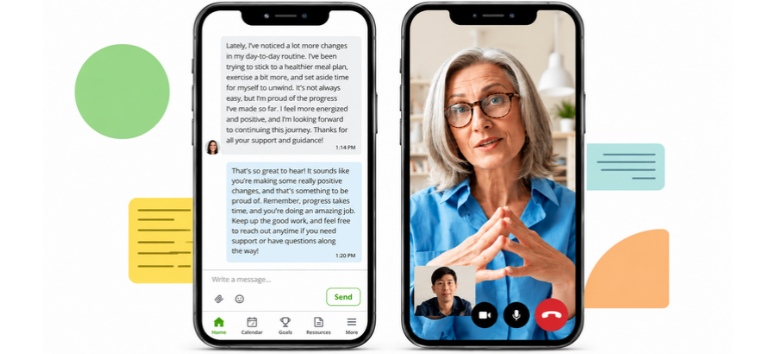
A BetterHelp therapist can provide a discreet setting to discuss holiday stress, grief, family boundaries, or loneliness. You do not need a confirmed diagnosis to start therapy. However, online therapy cannot replace emergency care or a medical assessment when one is needed.
Get started with BetterHelp and take 20% off your 1st month of online therapy.
What Is Seasonal Depression?

Seasonal affective disorder, commonly called SAD or seasonal depression, is a type of depression with a recurring seasonal pattern. According to the National Institute of Mental Health, winter-pattern SAD usually begins in late fall or early winter and improves during spring or summer. A less common summer pattern also exists.
The holiday calendar itself does not cause SAD. Changes in daylight are associated with shifts in body rhythms and processes involving serotonin and melatonin. Researchers are still studying the exact causes, so one symptom cannot confirm SAD.
SAD includes symptoms linked to depression, such as:
- A persistent sad, anxious, or empty mood
- Hopelessness or pessimism
- Irritability, frustration, or restlessness
- Loss of interest in activities that once felt enjoyable
- Low energy or a slowed-down feeling
- Trouble concentrating, remembering, or making decisions
- Changes in sleep, appetite, or weight
- Feelings of guilt, worthlessness, or helplessness
- Thoughts of death or suicide
Winter-pattern SAD may also involve oversleeping, increased appetite, carbohydrate cravings, weight gain, and social withdrawal. Not everyone experiences every symptom.
A health professional considers the full pattern before making a diagnosis. NIMH notes that seasonal depressive episodes generally occur during a specific season for at least two consecutive years and happen more frequently than depressive episodes at other times.

Therapy through BetterHelp may help an adult examine recurring thoughts, habits, isolation, and seasonal changes in daily life. A primary care clinician or psychiatrist may still need to assess physical symptoms, medication needs, or other possible causes.
Talk through holiday stress with a BetterHelp therapist and get 20% off your 1st month.
Holiday Blues vs. Seasonal Depression: Where Is the Dividing Line?

The two experiences can overlap. A person with SAD may also face holiday conflict, grief, or financial strain. Still, several clues can help you describe what is happening when you speak with a doctor or therapist.
Look at the Trigger
Holiday blues usually connect to recognizable pressures. Your mood may dip before a difficult family gathering, while reviewing a stretched budget, or when a tradition brings up grief. Describing those triggers gives a BetterHelp therapist a clearer starting point for discussing coping strategies and boundaries.
SAD follows changes in the season and daylight rather than a particular celebration. Symptoms may start before holiday planning begins and continue well after the decorations come down.
Watch the Timing
Holiday blues tend to cluster around holiday events and may lift when schedules settle. SAD usually lasts longer. NIMH describes symptoms as lasting around four to five months of the year for some people.
One rough week cannot confirm or rule out either concern. A simple record of mood, energy, sleep, appetite, and daily function can reveal a pattern over time. BetterHelp subscriptions may include journal prompts and other digital tools that members can use between live sessions. Access varies by plan.
Notice the Effect on Daily Life
Holiday stress can feel heavy, yet many people still manage their usual responsibilities. Seasonal depression may interfere more broadly with work, school, relationships, hygiene, meals, sleep, and activities that once mattered.
If getting out of bed, concentrating, or completing basic tasks has become difficult, talk to a professional about those changes. BetterHelp members can choose a scheduled video, phone, or live chat session based on therapist availability and their preferred communication format.
Check What Happens After the Holidays
Situational stress may ease after a gathering, financial deadline, or travel period ends. SAD symptoms can remain through winter and improve only as the season changes.
Depression that continues outside a seasonal pattern also deserves professional attention. Another form of depression or a different condition may be involved.
Start a conversation with a licensed therapist through BetterHelp and save 20% on your 1st month.
When Should You Seek Professional Support?

You do not need to wait until life feels unbearable. Therapy can address grief, family boundaries, loneliness, or mounting stress before those concerns control the season.
BetterHelp may suit adults seeking ongoing therapy from home, especially when travel or holiday schedules make office appointments harder to manage.
Consider contacting a doctor or licensed mental health professional if:
- Low mood or loss of interest lasts for two weeks or longer
- Symptoms keep returning during the same season
- Sleep or appetite changes feel pronounced
- Work, school, relationships, or basic responsibilities are suffering
- You are withdrawing from nearly everyone
- Anxiety or sadness feels hard to manage alone
- You suspect depression but are unsure what is causing it
A primary care clinician can check for medical issues that resemble or worsen depression. They may discuss your health history, medications, sleep, thyroid function, and other relevant factors.
A licensed therapist on BetterHelp can explore emotional and behavioral concerns, but the platform does not replace medical or emergency care.
Thoughts of self-harm, suicide, or harming another person require immediate support. In the United States, call or text 988 to reach the 988 Suicide & Crisis Lifeline. Call 911 or go to the nearest emergency department if there is immediate danger.
Find space to talk about what’s weighing on you with BetterHelp and get 20% off your 1st month.
What Treatment for Seasonal Depression May Involve

Treatment depends on the diagnosis, symptom severity, medical history, and personal needs. NIMH lists psychotherapy, light therapy, antidepressant medication, and vitamin D among the approaches used for SAD.
Psychotherapy can address thought patterns, habits, and daily function. Cognitive behavioral therapy adapted for SAD, known as CBT-SAD, includes behavioral activation and planned meaningful activities.
Some BetterHelp therapists use cognitive behavioral approaches, though experience, specializations, and availability differ by provider. Members can review therapist profiles and discuss therapeutic methods after matching.
Light therapy uses a specialized light box, commonly rated at 10,000 lux. It is not the same as a bright household lamp. People with certain eye conditions or medicines that increase light sensitivity should consult a healthcare professional first.
Medication also requires medical guidance. BetterHelp focuses on therapy rather than psychiatric prescribing. A physician, psychiatrist, or another qualified prescriber can discuss medication, side effects, and interactions.
Ask a healthcare professional about vitamin D too. Research on its effect on SAD is mixed, and supplements can interact with some medications.
Explore online therapy with BetterHelp and save 20% on your 1st month.
How BetterHelp Supports Therapy Through the Season

BetterHelp gives adults another way to attend therapy during a crowded season. It is designed for ongoing support, not as a diagnostic shortcut or emergency service.
Several BetterHelp features may prove useful during a busy or emotionally demanding time:
-
Live-session choices: Schedule video, phone, or live chat sessions based on your plan and therapist availability.
-
Messaging: Self-pay subscriptions include messaging with your therapist between sessions. Messages do not guarantee an immediate response or provide 24-hour crisis care. Features differ for insurance-based care.
- Matching and switching: The intake questionnaire covers your concerns and preferences. Match times vary, and members can request a different therapist at no added cost.
- Digital resources: Some plans include journals, worksheets, groups, classes, and habit tracking. Insurance-based access may differ.
-
Payment options: Self-pay subscriptions and insurance options are available. Insurance availability and coverage may vary by state, plan, provider network, and therapist availability.
A first conversation can cover how long symptoms have lasted, their effect on daily life, and the therapist’s experience with depression, grief, or seasonal mood patterns.
The choice of video, phone, and live chat sessions also lets members consider how they feel most comfortable communicating. Someone who feels drained by video calls may prefer a phone session. Another person may find it easier to organize difficult thoughts through live chat.
Discuss holiday stress at your own pace with a BetterHelp therapist and take 20% off your 1st month.
Using Insurance or Paying Out of Pocket
BetterHelp works with 125+ health plan networks, including many major health plans. With insurance, nearly half of members with a copay pay $20 or less, and some pay $0.* Your own cost depends on your coverage.
Check your insurance options during signup and review your estimated out-of-pocket cost before booking. Look at the copay, any coinsurance, and the deductible you still need to meet.
Self-pay subscriptions are also available if insurance is not an option for your plan or you prefer to pay out of pocket. Eligible first-time users can review the current first-month offer through our BetterHelp link. Compare the subscription price with your estimated insurance costs and check which session formats and tools each option includes.
Insurance availability, coverage, and cost may vary by state, plan, provider network, therapist availability, and deductible status. Offer valid for first time BetterHelp users only. Discounts cannot be combined with insurance.
Online therapy does not replace medical evaluation when medication or physical symptoms need attention. Use BetterHelp alongside care from a primary care clinician or psychiatrist.
Small Steps While You Arrange Support

Self-care does not cure depression, and it should not become another holiday checklist. A few practical steps can still give a doctor or therapist clearer information.
Track symptoms for a couple of weeks. Note when they began, how you slept, appetite changes, and which tasks became harder. Did the same pattern appear last fall or winter?
You can keep notes on your own or use BetterHelp’s journal feature if it is included in your plan. Sharing relevant observations with your therapist may lead to a more focused discussion about patterns and triggers.
Protect a basic routine where possible. Regular sleep, meals, movement, and supportive contact add structure. Set limits on draining events. If isolation is deepening, tell someone you trust.
Connect with a licensed therapist through BetterHelp and get started with 20% off your 1st month.
Holiday blues and seasonal depression can look similar, but their patterns tell different stories. Holiday blues usually follow seasonal pressures, losses, and conflicts. SAD is a recurring form of depression connected to seasonal change and deserves professional assessment.
You do not have to name the problem perfectly before asking for support. Start with what you notice: when it began, how long it lasts, what changes each year, and which parts of life have become harder. A doctor or licensed therapist can help examine the pattern.
If online therapy fits your needs, explore BetterHelp’s session formats, therapist matching process, and available plans before signing up. Review the current terms, costs, and insurance details for your location. If the first therapist is not the right match, BetterHelp allows members to request another provider at no added cost.