First Premier Home Warranty Review: Coverage, Plans & Pricing Explained
 By Rachel Jerris
 Services
Unexpected breakdowns can leave homeowners facing repair bills with little warning. First Premier Home Warranty offers two main coverage options, the Premier Plan and Platinum Plan, for selected household systems and appliances, with optional add-ons available for items such as pools, spas, well pumps, and septic systems. Costs and coverage limits depend on the chosen contract, so the fine print matters. Read on for a clear look at First Premier’s plans, pricing structure, exclusions, and service process before signing up.
What Is a Home Warranty? A Backup Plan for Costly Breakdowns

A home warranty is a service contract that helps cover eligible repairs or replacements when covered systems and appliances fail due to normal wear and tear. It can make unexpected costs easier to manage and reduce the hassle of finding a technician.
Coverage depends on the contract, so homeowners should review exclusions, limits, waiting periods, and service fees before enrolling. Check the plan details and see how the protection fits the home.
Why Homeowners Use Home Warranty Coverage

A warranty can help by offering:
-
More predictable repair expenses
-
Coverage for appliances and major systems
-
One contact for eligible service requests
-
Access to professionals
The plan does not replace homeowners' insurance, but it may cover breakdowns that insurance excludes. Compare the covered items with the home's age and condition before choosing a policy.
What First Premier Home Warranty Brings to the Table

First Premier Home Warranty offers budget-conscious plans, nationwide service, and access to a network of technicians. Its coverage may suit first-time buyers, long-time owners, and landlords seeking help with failures. Review pricing, service fees, exclusions, and state availability before signing up. Request a quote and compare the contract.
Best Home Warranty Plans to Protect Your Home and Your Budget
First Premier Home Warranty offers two plans that combine appliance and home-system coverage. The Premier Plan handles core household equipment, while the Platinum Plan adds several costly systems and appliances. Since contracts include exclusions and payout limits, homeowners should compare each covered item with the equipment already in their homes. Start with the systems most likely to create a large repair bill.
Premier Plan: Smart Coverage to Start With
The Premier Plan covers a range of essential home systems and everyday appliances when breakdowns are due to normal wear and tear. Each item remains subject to the service contract’s limits, exclusions, and maintenance requirements.
-
Electrical System: Helps cover eligible faults involving wiring, panels, switches, and other built-in electrical components.
-
Ceiling and Exhaust Fans: Covers qualifying mechanical or electrical failures in installed fans.
-
Plumbing System: Includes eligible repairs to covered water, drain, waste, and vent lines.
-
Trash Compactor: Helps cover repair costs when the built-in unit stops working properly.
-
Whirlpool Bathtub: Covers selected operating parts that control water movement and circulation.
-
Oven: Includes eligible components that support baking, heating, and temperature control.
-
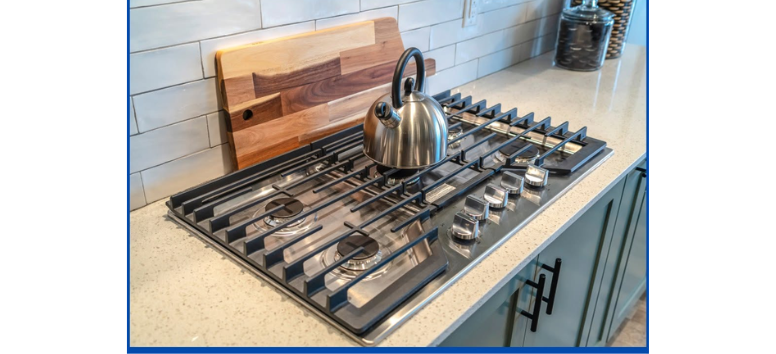
Cooktop: Helps cover covered burners, heating elements, controls, and related parts.
-
Built-In Microwave: Protects qualifying internal components in permanently installed microwave units.
-
Water Heater: Covers eligible parts that heat and distribute hot water throughout the home.
-
Ductwork: Includes covered leaks, breaks, or separation in accessible air ducts.
-
Garage Door Opener: Helps repair eligible motors, switches, and mechanical opener parts.
-
Dishwasher: Covers qualifying failures involving washing, draining, heating, and control functions.
-
Garbage Disposal: Includes eligible internal components when the disposal jams or stops operating.
-
Plumbing Stoppage: Helps clear covered blockages in accessible household drain lines.
Review the Premier Plan contract and request a quote to see how its coverage matches the home’s systems and appliances.
Platinum Plan: Extra Coverage for the Systems That Cost More

The Platinum Plan builds on Premier Plan protection by adding several major home systems and appliances. The expanded coverage may appeal to homeowners with larger properties, older equipment, or frequently used household appliances.
-
Air Conditioning System: Covers eligible parts and repairs when the cooling system fails to operate as expected.
-
Heating System: Includes qualifying issues involving furnaces, heat pumps, controls, and related components.
-
Clothes Washer: Covers eligible electrical and mechanical issues affecting normal wash cycles.
-
Clothes Dryer: Includes qualifying faults involving heat, rotation, controls, and ventilation.
-
Refrigerator: Covers eligible components that manage cooling, temperature, and routine operation.
-
Up to Two Heating and Cooling Systems: Extends protection to two heating units and two air-conditioning systems, which may suit multi-level or larger homes.
Check the Platinum Plan contract against the home’s HVAC setup and major appliances, then select coverage that matches its repair priorities.
Optional Add-Ons: Fill the Gaps in Standard Coverage

First Premier Home Warranty allows customers on either the Premier or Platinum Plan to add protection for systems and appliances that fall outside the base package. Each add-on carries its own cost, coverage cap, exclusions, and eligibility rules, so homeowners should review the contract before adding it to a plan.
-
Pool and Spa: Helps cover eligible equipment used for circulation, filtration, and heating.
-
Limited Roof Leak: Provides up to $500 for qualifying roof leak repairs.
-
Central Vacuum: Covers selected built-in components when the system stops operating properly.
-
Well Pump: Includes eligible parts that supply water from a private well.
-
Septic System and Plumbing: Helps cover qualifying septic components and related plumbing lines.
-
Second Refrigerator or Freezer: Extends coverage beyond the primary kitchen refrigerator.
-
Water Softener: Covers eligible mechanical parts within a permanently installed system.
-
Built-In or Freestanding Ice Maker: Includes qualifying failures that interrupt normal ice production.
-
Additional HVAC or Water Heater Units: Add protection for extra cooling, heating, or hot-water equipment.
List the home’s nonstandard systems, compare each add-on cost with its coverage limit, and request an itemized quote before enrolling.
How First Premier Home Warranty Handles Breakdowns: From Claim to Repair

A covered breakdown can disrupt the household, but a clear claims process keeps the next steps organized. First Premier Home Warranty lets customers report eligible problems by phone or online, then coordinates with a service professional to inspect the affected system or appliance. Contract terms, coverage limits, exclusions, and service fees still apply throughout the process.
Step 1: Submit the Claim
Customers can report a breakdown at any time through the company’s online portal or phone service. The request should include details about the covered item, the problem, and any relevant symptoms.
Step 2: Receive a Technician Assignment
First Premier reviews the request and assigns a qualified technician from its contractor network. The company coordinates the dispatch, while the technician arranges the service visit and evaluates the reported issue.
Step 3: Complete the Covered Repair
The technician inspects the system or appliance, identifies the cause, and submits the findings for authorization. Once approved, the technician completes the eligible repair or replacement in accordance with the contract terms.
Save the claims contact information and review the service agreement now, so the process is easier to follow when a breakdown occurs.
Reduce the strain of unexpected repair bills by selecting protection that fits the property. First Premier Home Warranty covers core home systems and appliances through its Premier and Platinum plans, while optional add-ons address less common equipment. Examine the exclusions, limits, and claim requirements before signing up. Request a current quote, compare the available options, and select coverage that supports the home’s most likely repair needs.