Bumper Vehicle History Report Guide: What to Check Before Buying or Selling a Used Car
 By Jack Dash
 Automotive
Shopping for a used car starts with photos, mileage, condition, and price. A vehicle history search can add useful records that may not appear in the listing. Bumper is an online vehicle research service that allows users to search by VIN or license plate number. Depending on data availability, a report may include reported accidents, title brands, theft records, odometer readings, liens, safety recalls, and estimated market values. This guide explains how Bumper works, what you may find in a vehicle history report, and which details deserve a closer look before you buy or sell a car.
Bumper: Check Vehicle History Before Buying or Selling
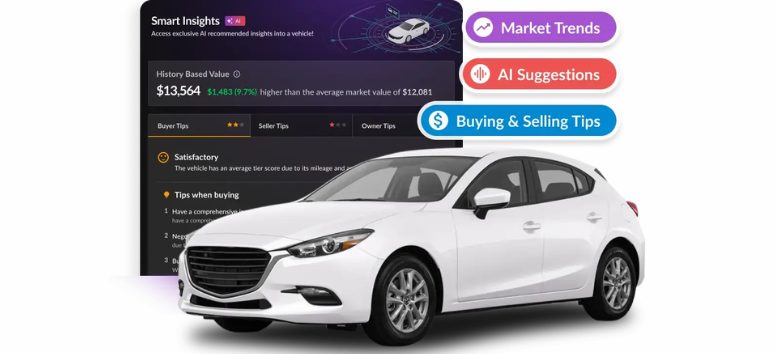
A used car might look spotless in photos, but its appearance doesn't tell you everything about its past.
Has it been involved in a reported accident? Does it have a salvage title? Are there outstanding safety recalls?
These are some of the questions Bumper is designed to help investigate.
Unlike the people-focused platforms above, Bumper specializes in vehicle research. It gathers available information from government records, insurance sources, and automotive industry databases.
Start With a VIN Search
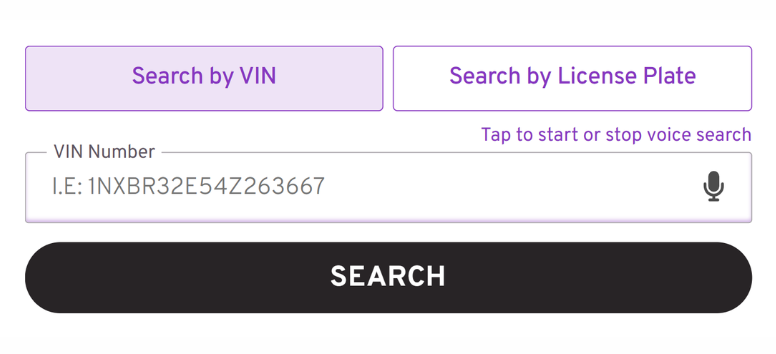
A vehicle identification number, or VIN, is a unique code assigned to a vehicle. For modern U.S. passenger vehicles, it generally contains 17 characters and can usually be found near the driver's side windshield, inside the driver's doorjamb, or on registration documents.
Entering this number through Bumper's VIN lookup may reveal available history information, including title records, reported accidents, salvage events, and other vehicle details.
A VIN search is particularly useful when comparing several used cars because it focuses on the specific vehicle rather than just its model. Buyers can review the report alongside the seller's description and ask questions about any significant findings.
Search Using a License Plate Number
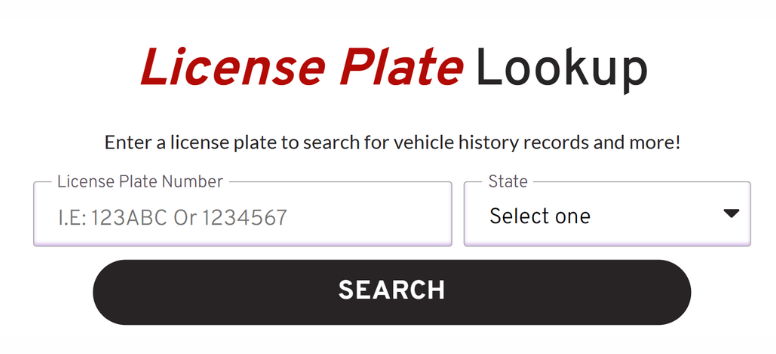
Don't have the VIN yet? Bumper also offers a license plate lookup that allows users to search using a plate number and state.
Depending on the available data, the search may return vehicle specifications and related history records. This provides another starting point when researching a car listed for sale.
However, license plates can be transferred or reassigned, so it's important to confirm that the results match the intended vehicle. Bumper also doesn't disclose private owner names and addresses from protected motor vehicle title records.
Investigate Reported Accidents and Damage
Accident history is one of the most important areas to review before purchasing a used car. Bumper gathers available accident-related information from participating government agencies, insurance records, and other sources.
These reports may highlight previous incidents that deserve a closer look. If a vehicle has a reported collision, for example, a buyer can ask the seller about repairs and request supporting documentation.
A clean accident report doesn't guarantee that a vehicle has never been damaged. Some accidents are never reported to insurers or agencies, while private repairs may leave no record in the databases searched.
Review Title, Salvage, and Theft Records
A vehicle's title history can reveal important details about its legal and reported condition. Bumper may show title brands such as salvage, rebuilt, or flood damage, based on available government and industry records.
These labels can alert buyers to vehicles that have experienced significant damage or undergone repairs after being declared a total loss. Understanding a title brand is important because its meaning and requirements can vary by state.
Bumper may also include reported theft information when available. Buyers should investigate unresolved theft records or title concerns through the appropriate authorities before proceeding with a purchase.
Examine Odometer Readings and Available Liens
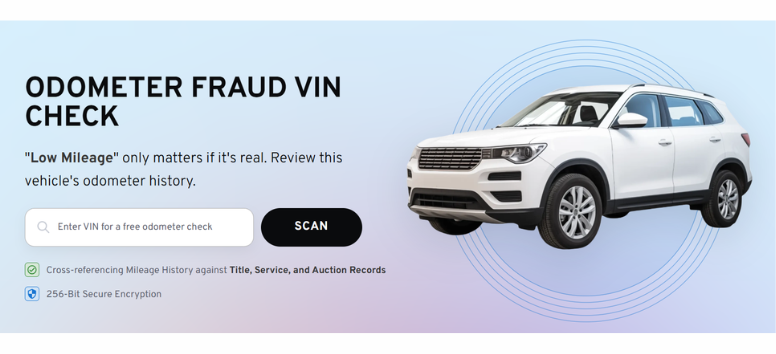
Mileage affects a used vehicle's value and gives buyers an idea of how extensively it has been driven. Bumper may display odometer readings recorded during reported events such as title transfers, inspections, or sales.
Comparing these readings with the dashboard mileage can help identify inconsistencies. For instance, a lower current reading than a previously reported figure deserves further investigation, although recording errors are also possible.
Available lien records may provide additional information about financial claims associated with a vehicle. Before buying, purchasers should confirm that the seller can transfer clear title and that any outstanding lien has been properly addressed.
Check Safety Recalls and Estimated Market Values
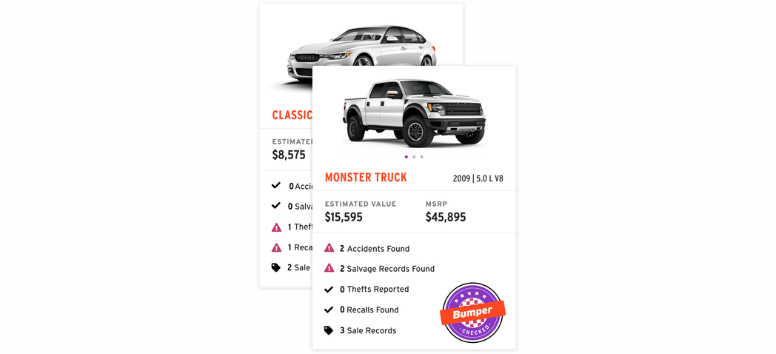
Bumper also provides available recall information and estimated vehicle values. Recall data may help users identify safety issues associated with a particular make, model, or VIN.
For an official check, buyers can also use the National Highway Traffic Safety Administration's recall database, which provides information about unrepaired safety recalls. This is especially useful before purchasing a used car or planning major repairs.
Bumper's estimated market values offer another reference when comparing asking prices. Actual selling prices still depend on factors such as mileage, vehicle condition, location, and local demand.
Found a used car that looks promising? Explore its reported history with Bumper before making your next move.
A vehicle history report can reveal details that may never appear in a sales listing. Through VIN and license plate searches, Bumper may provide access to reported accidents, title brands, odometer readings, liens, recalls, estimated values, and other available records.
Still, no database captures every repair, accident, or ownership event. Review the report alongside the vehicle’s title, maintenance documents, an independent inspection, and an official NHTSA recall search. If the information raises questions, ask the seller for clear answers before moving forward.
Found a vehicle worth considering? Check its available history with Bumper before buying, selling, or negotiating the price.