At-Home Hair Loss Treatments Guide
 By Gabi Thompson
 Health & Personal Care
Hair loss is becoming a bigger issue for women, especially during perimenopause and menopause, when hormone shifts can start showing up in unexpected ways. One day your hair feels normal, then suddenly shedding increases, your part looks wider, and styling feels like a daily battle. In many cases, the root cause stems from changes in estrogen, progesterone, and stress hormones that disrupt the natural hair growth cycle. That’s why understanding the hormonal side of hair loss is key before choosing any at-home treatment. Midi Health offers telehealth care designed specifically for midlife women, providing expert support for hormone-related concerns like thinning hair.
The Midlife Hair Shift: What’s Really Happening to Your Strands
Hormonal Factors
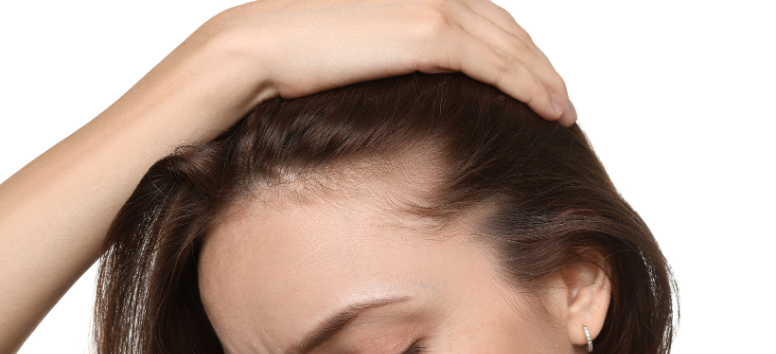
Decline in estrogen and progesterone
As women enter perimenopause and menopause, estrogen and progesterone levels drop significantly. These hormones help keep hair in the growth phase longer, so when they decline, the growth cycle can shorten and shedding becomes more noticeable. This is why hair may suddenly feel thinner even without major lifestyle changes.
Androgen influence
Lower estrogen levels can make hair follicles more sensitive to androgens, which are hormones often linked to pattern hair thinning. This can lead to gradual thinning at the crown, a widening part, or reduced density that becomes more visible under bright light.
Perimenopause link
Hair thinning is often one of the first visible signs of perimenopause, sometimes appearing before hot flashes, sleep disruption, or irregular cycles. For many women, the hair changes feel confusing because the body hasn’t shown other obvious signals yet.
Want hormone-focused support for midlife hair changes? Explore Midi Health today.
Other Contributors
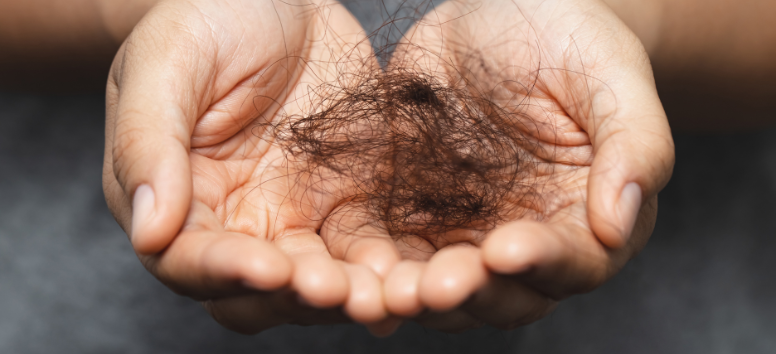
Stress
Chronic stress can raise cortisol levels, which may disrupt the hair cycle and push more follicles into the shedding phase. Over time, this can create noticeable hair fall even if hormone levels are stable.
Thyroid disorders
Hypothyroidism and hyperthyroidism can trigger diffuse thinning because the thyroid helps regulate metabolism and hormone balance. Hair loss from thyroid issues often looks like overall thinning rather than patchy bald spots.
Nutritional deficiencies
Low iron, vitamin D, zinc, and inadequate protein intake can weaken hair growth and slow regrowth. Midlife women may also experience reduced nutrient absorption, which makes deficiencies easier to miss until hair changes appear.
Genetics
Female pattern hair loss often runs in families and may become more pronounced with age. Hormonal shifts during menopause can act like a trigger that speeds up genetic thinning patterns.
Underlying health signals
Experts often point out that hair loss is rarely “just cosmetic.” It can signal deeper imbalances involving metabolism, hormones, inflammation, or nutrient status that deserve medical attention.
Want a medical approach instead of trial-and-error? Visit Midi Health today.
Symptoms
Thinning hair
Many women first notice hair thinning when their ponytail feels smaller or their hair looks less dense overall. This change usually happens gradually, which makes it easy to ignore at first.
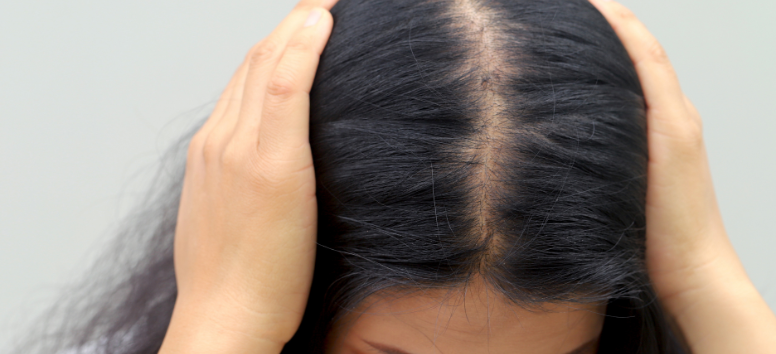
Widening part
A widening part is a classic sign of female pattern hair loss and often becomes noticeable near the crown. It may look like your scalp is showing more clearly than it used to, especially in photos.
Increased shedding
More strands in the brush, shower drain, or pillow can signal that more follicles have entered the shedding stage. This can feel sudden, but it often reflects changes happening internally over time.
Texture changes
Midlife hair loss can also come with texture shifts. Hair may feel finer, drier, or more brittle, and breakage may increase even if you haven’t changed your hair routine.
Not sure what type of hair loss you’re experiencing? Talk to Midi Health today.
From Shedding to Strength: Midi Health Hair Loss Care
Hair Loss Treatments at Midi Health
Hormone-Related Care
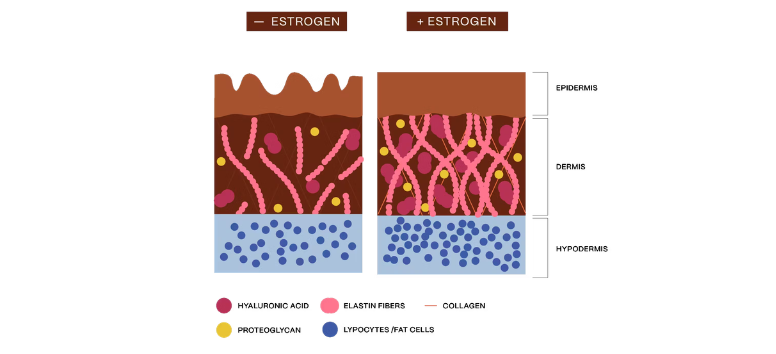
Root cause focus
Midi Health treats midlife hair loss by addressing hormonal decline as a core driver. During perimenopause and menopause, estrogen and progesterone levels drop, which can weaken hair follicles, shorten growth cycles, and increase shedding over time.
Hormone therapy options
Midi clinicians may prescribe hormone replacement therapy (HRT) when medically appropriate. Supplemental estrogen can help support the hair growth phase longer and may improve texture, especially for women experiencing hormone-related thinning.
Holistic evaluation
Midi does not treat hair loss as a stand-alone issue. HRT is rarely prescribed for hair loss alone and is usually considered when symptoms like hot flashes, mood shifts, and sleep disruption appear alongside thinning hair.
Visit Midi Health to explore hormone-focused care options.
Prescription Medications

Minoxidil
Midi Health offers minoxidil in topical and low-dose oral forms. Minoxidil supports hair regrowth by improving blood flow to follicles and extending the growth phase, though mild irritation or temporary shedding may occur before regrowth begins.
Finasteride
Midi may prescribe finasteride to help reduce DHT, a hormone byproduct linked to follicle shrinkage. For women, finasteride is often used in topical formulations to limit systemic exposure while still targeting thinning patterns.
Combination therapies
Midi clinicians can recommend customized solutions such as minoxidil and finasteride sprays, designed to match the needs of midlife women dealing with hormone-related follicle sensitivity.
Explore prescription hair loss options through Midi Health.
Hair Regrowth Serum

Proprietary formula
Midi’s Hair Regrowth Serum uses evidence-based ingredients that may include minoxidil, finasteride, latanoprost, and sometimes spironolactone, depending on the patient’s thinning pattern and provider plan.
Targeted design
This serum is formulated specifically for women in perimenopause and menopause, focusing on hormonal shifts and follicle-level changes that often drive thinning during midlife.
Complementary role
The serum is often used alongside medical treatments, supporting scalp health and encouraging regrowth as part of a larger, provider-guided plan.
Learn more about Midi’s regrowth serum through Midi Health.
Nutritional & Lifestyle Guidance
Supplement recommendations
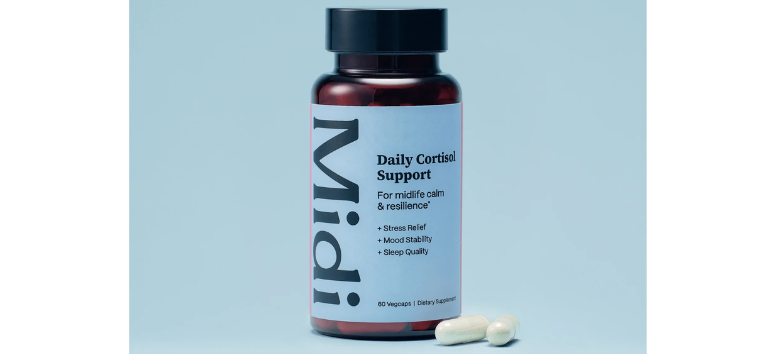
Midi clinicians may recommend iron, vitamin D, biotin, omega-3s, and zinc if deficiencies are suspected, since nutrient gaps can weaken hair growth and worsen shedding.
Lab testing
Instead of relying on generic supplement routines, Midi may order bloodwork such as ferritin, vitamin D levels, and thyroid hormones to identify issues that could be contributing to hair thinning.
Lifestyle coaching
Midi integrates lifestyle guidance into treatment plans, including sleep improvement strategies, stress management, and dietary adjustments that support hormone balance and hair health.
Holistic approach
Patients also receive advice on gentle hair care habits, including reducing heat styling, avoiding harsh treatments, and using mild shampoos that support scalp comfort.
Access a full hair health plan through Midi Health.
Virtual Care Model

Nationwide availability
Midi Health provides care across all 50 states, allowing women to access midlife specialists regardless of location or local provider availability.
Insurance-covered visits
Midi accepts many PPO insurance plans, which means eligible patients may pay standard co-pays and deductibles instead of full out-of-pocket visit costs.
Convenience
Prescriptions and regrowth serums are delivered directly to patients’ homes, making treatment easier to maintain without pharmacy runs or repeated clinic visits.
Personalized care plans
Each patient receives a tailored plan that may include medications, hormone support, supplements, and lifestyle strategies based on their health profile and symptoms.
Get started with Midi’s virtual care model through Midi Health.
How Midi Works: Midlife Care With a Clear Game Plan

Get Started Fast
Scheduling your first virtual visit takes less than 10 minutes, making it easy to begin without the usual clinic delays. It’s a simple start that leads to something more valuable - direct support from a clinician who understands midlife health concerns.
Confirm Insurance and Book Your Visit
Midi is accepted by major insurers, so you can quickly enter your coverage details, choose an appointment time, and complete a health questionnaire. This helps your clinician review your history and symptoms ahead of your visit.
Meet Your Midi Clinician
Midi appointments are designed with longer visit times, giving you space to explain what’s happening in your body. You can talk through symptoms without feeling rushed, brushed off, or cut short.
Build Your Care Plan
After your visit, your clinician creates a personalized treatment plan based on your specific concerns. If needed, she may order bloodwork or imaging to identify what’s driving your symptoms and guide next steps.
Stay on Track With Follow-Ups
Many patients begin feeling relief within days, and virtual follow-ups help maintain progress. Ongoing check-ins keep your care plan aligned with your goals as your health needs shift over time.
Hair loss in midlife can feel personal, frustrating, and confusing, especially when it seems to happen without warning. The good news is that many cases are linked to predictable hormonal shifts during perimenopause and menopause, which means treatment can become more focused once the root cause is understood. At-home solutions can help, but real progress often starts with medical guidance that looks at hormones, prescriptions, nutrition, and lifestyle as one complete picture. Midi Health offers telehealth care designed specifically for midlife women, making it easier to access clinicians who take these symptoms seriously. Visit Midi Health to explore personalized hair loss treatment options.