The 2027 Money Reset: 10 Financial Moves to Make Before the New Year
 By Jordan Midea
 Services
The final months of the year can make money feel unusually noisy. Holiday purchases compete with regular bills. Annual subscriptions reappear. Retirement deadlines creep closer. Then January arrives, sometimes with a credit card statement no one wants to open.
A year-end financial reset reveals the full picture. It is not about fixing every money problem by December 31. The aim is simpler: understand where you stand, choose a few priorities, and create systems that support them. SoFi’s banking, budgeting, borrowing, and investing tools support several steps, but the plan starts with your own numbers.
Here are 10 practical moves to prepare your finances for 2027.
Look Back Before Planning Ahead
Review three to six months of bank and credit card activity. Sort transactions into housing, food, transportation, subscriptions, debt payments, savings, and optional spending. Include irregular costs like repairs, insurance premiums, gifts, and school expenses. Those “surprises” tend to return.
Look for patterns, not reasons to judge every coffee. Which categories grew? Which subscriptions went unused? Did actual spending match the budget in your head?

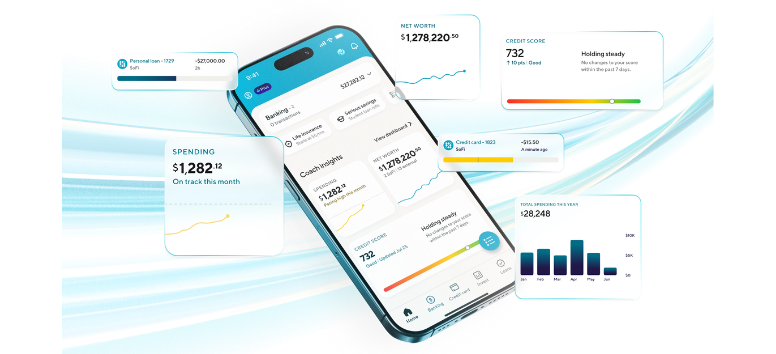
SoFi Coach connects SoFi and outside financial accounts in one dashboard. It tracks balances, cash flow, spending, debt, investments, and net worth. Review categorized transactions for errors, since automated labels do not always understand each purchase.
Check Your Credit Reports and Score
A credit report lists accounts, balances, payment history, and other file information. A credit score is calculated from report data. They are related, but they are not identical.
AnnualCreditReport.com provides free weekly reports from Equifax, Experian, and TransUnion. Check all three for unfamiliar accounts, incorrect late payments, outdated balances, or inaccurate personal details. Dispute errors with the bureau and the company that supplied the information.
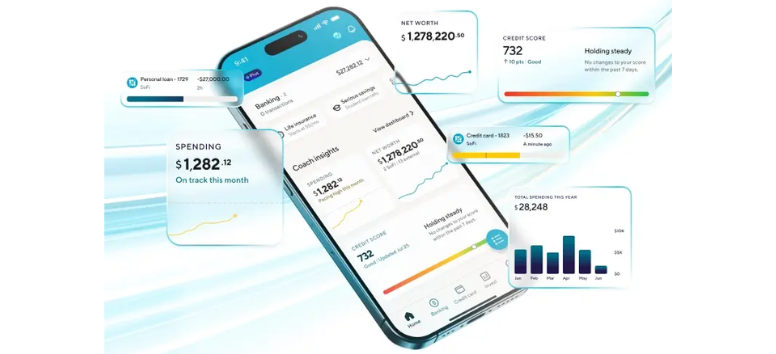
SoFi Coach includes credit-score monitoring based on the TransUnion VantageScore 3.0 model. Another bank or lender may show a different number because scoring models and bureau data vary. Focus on the trend and underlying factors, not a small weekly change.
Put a Fence Around Holiday Spending
Holiday spending extends beyond gifts. Travel, food, decorations, school events, charitable giving, and shipping deserve a line in the plan. Add the costs, subtract existing savings, and divide the remainder by the paychecks left before each bill is due.
If the total is too high, adjust before shopping. Shorten the gift list, set spending caps, organize a family exchange, or attend fewer events. A sale does not save money when the purchase was never planned.
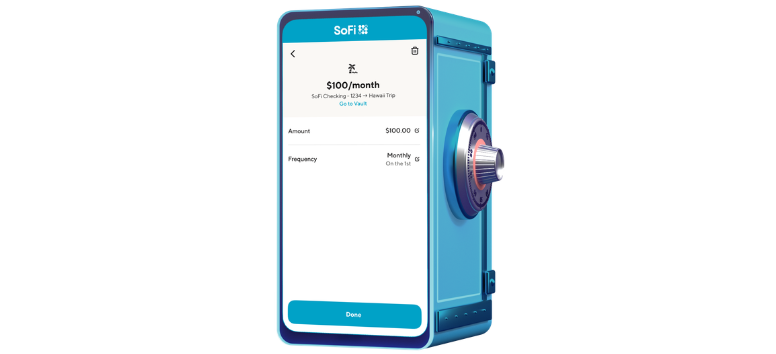
Place the holiday amount in a dedicated SoFi Vault or another savings bucket. The boundary keeps gift money apart from rent, groceries, and emergency savings.
Start or Rebuild Your Emergency Fund
The Consumer Financial Protection Bureau defines an emergency fund as cash reserved for unplanned expenses or financial emergencies. Examples include repairs, medical bills, and lost income. Holiday gifts and annual premiums are expected costs, so plan for them separately.
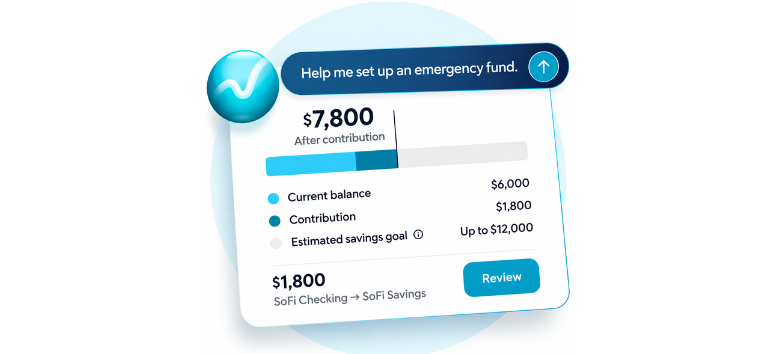
Choose a target that fits your budget. A starter reserve could cover an insurance deductible or urgent repair. Next, work toward one month of essential expenses, then a larger cushion. Three to six months is a common guide, but job stability, income, health needs, and dependents matter.
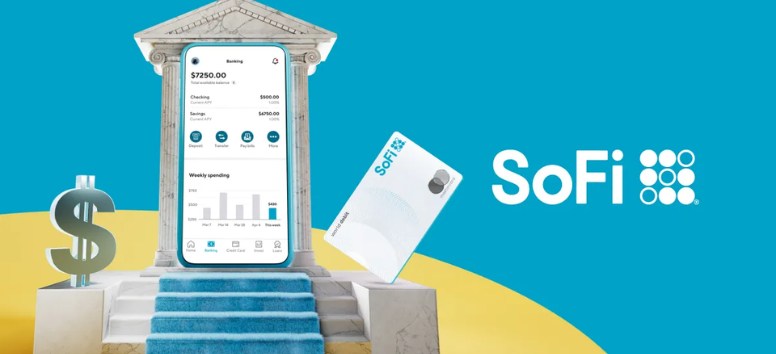
SoFi Checking and Savings can hold an emergency fund while earning a variable annual percentage yield. Advertised rates have eligibility conditions and can change, so check the live rate sheet. Keep emergency cash accessible and separate from investments that can lose value.
Give Each Savings Goal Its Own Job
One savings balance can create false confidence. Some money may already be reserved for taxes, travel, repairs, or next year’s insurance. Naming each goal shows what is available.
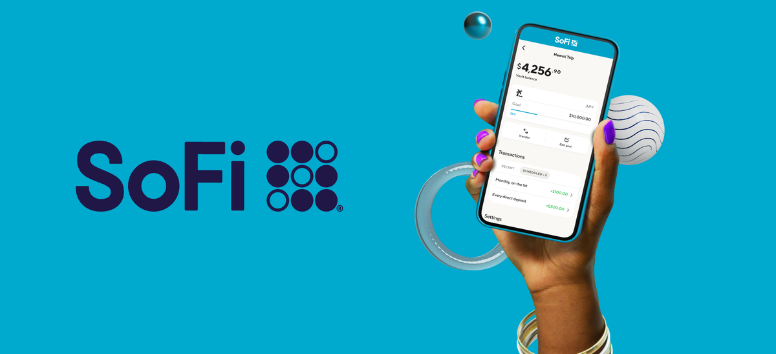
SoFi Vaults are subaccounts within a SoFi Savings account. Members can create up to 20 active Vaults for emergencies, travel, a down payment, or major purchases. Vaults have no separate fees or minimum balance requirements, and balances earn interest. FDIC insurance applies under current rules and limits.
Set an amount and date for each goal. Divide the money still needed by the remaining pay periods. If the result is unrealistic, change the amount, extend the deadline, or reduce another expense. The math is useful information, not a scolding.
Automate the Priorities You Keep Postponing
A savings plan should not depend on remembering a transfer after a busy week. Schedule it soon after payday, before optional spending fills the account.
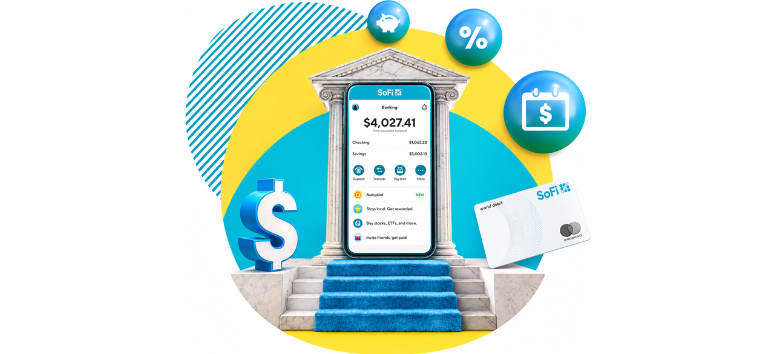
SoFi AutoSave directs a fixed amount or percentage of a qualifying direct deposit into selected Vaults. SoFi Roundups can round eligible debit card purchases to the next dollar and transfer the difference to one Vault. Roundups exclude some transactions and should supplement a larger savings plan.
Check the first transfers against rent, utilities, and other bills. Automation should support cash flow, not create a scramble before payday.
Build a Clear Debt-Payment Plan
List each debt with its balance, APR, minimum payment, and due date. The avalanche method sends extra money to the highest-rate balance first. The snowball method starts with the smallest balance. Choose a method you can follow while keeping every minimum current.
SoFi Coach displays linked debt balances and repayment progress. For several high-interest card balances, a personal loan is one option to research. SoFi Personal Loans provide a lump sum repaid in fixed monthly installments and support eligible debt consolidation.
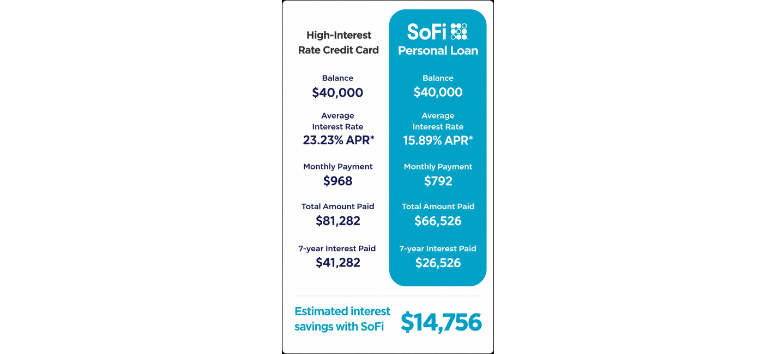
Compare the APR, origination fee, term, total interest, and payoff date. A lower payment stretched across more years can cost more. Approval and terms depend on the applicant, and a new loan does not fix the spending pattern behind the debt.
Review Student Loans With Extra Care
Separate federal and private student loans. Record each rate, payment, remaining term, and repayment plan. Use Federal Student Aid for federal loan details and current program rules.
SoFi offers student loan refinancing for eligible borrowers. A refinance replaces existing debt with a new private loan and may change the rate, term, or payment. Refinancing federal debt permanently removes its federal protections, including income-driven repayment, federal deferment or forbearance, and forgiveness programs such as Public Service Loan Forgiveness.
That tradeoff deserves more than a rate comparison. Review the lifetime cost and every protection being surrendered before signing.
Check Retirement Contributions and Investments
Review workplace retirement accounts, IRA contributions, investment allocation, fees, and beneficiaries. If an employer offers a match, read the plan rules and check your payroll percentage.
For 2026, the IRS employee contribution limit for most 401(k), 403(b), and governmental 457 plans is $24,500. The combined traditional and Roth IRA limit is $7,500, with catch-up limits for eligible older savers. Income and plan rules apply. Workplace contributions generally run through payroll during the calendar year, while IRA contributions usually have a later tax-filing deadline.

SoFi Invest offers self-directed and robo accounts, plus traditional, Roth, SEP, and rollover IRAs. Investments can lose value, so keep emergency savings and short-term spending money separate.
Turn Your 2027 Goals Into Monthly Numbers
Finish with three priorities, not vague resolutions. Each goal needs an amount, deadline, and monthly action. “Save more” becomes “transfer $200 to an emergency fund after each payday.”
Build a 2027 plan around fixed bills, flexible expenses, periodic costs, debt, and savings. SoFi Coach can track the wider picture, while Vaults separate goal money. Review the plan every three months and after major life changes.
Progress will not look perfect every month. A useful plan bends when life changes and still points toward the next step.
Your Quick Year-End Checklist
Set aside 30 minutes and complete a first pass. You do not need every answer today. Gather the facts, flag questions that need research, and schedule your next review.
- Download recent bank and credit card statements.
- Review all three credit reports for errors or unfamiliar accounts.
- Total upcoming holiday and annual expenses.
- Choose a starter emergency-fund target.
- Name each savings goal and assign a deadline.
- Confirm automatic transfers after payday.
- List every debt with its balance, APR, and minimum payment.
- Separate federal student loans from private loans.
- Check retirement contributions, fees, and beneficiaries.
- Write three financial goals for 2027 as monthly actions.
Keep the checklist somewhere visible. A short monthly review is easier than reconstructing an entire year of transactions next December. Small corrections made early also leave more room to respond when income, expenses, or priorities change.
A year-end reset should produce a few clear decisions. Review spending, protect essential cash, organize savings, understand debt, and automate key actions. Then check in regularly.
SoFi places banking, credit monitoring, budgeting, borrowing, and investing tools in one digital platform. Explore relevant features, read current disclosures, and compare alternatives before opening an account or applying. The new year does not require perfect finances. It needs an honest starting point and a workable plan.
This article is for general educational purposes and does not provide individualized financial, investment, tax, or legal advice. Product availability, rates, eligibility requirements, fees, and terms can change.